

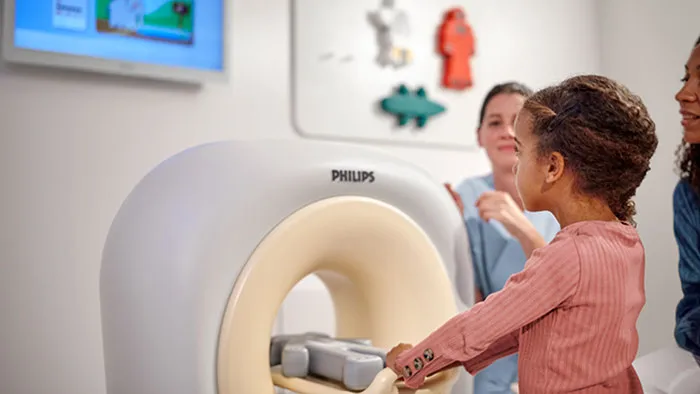
Pediatric imaging refers to non-invasive tests, such as X-rays, magnetic resonance imaging (MRI), and computed tomography (CT) scans, designed specifically for infants, children, and adolescents, and it helps doctors understand various health conditions. These procedures require the patient to remain still in unfamiliar, often noisy environments. Many children experience stress before and during their appointments. Caregivers and medical staff can use several targeted strategies to reduce this stress. By focusing on adequate preparation, specialized techniques during the scan, and a supportive environment, you can help your child navigate the experience.
Preparation and Familiarization
A helpful way to reduce a child’s stress is to prepare them before they arrive at the facility, and this helps them know what to expect. When children know what to expect, they are less likely to be startled by the size of the equipment or the sounds the machines make. Preparation should be appropriate for the child’s age and developmental level.
To familiarize your child with pediatric imaging, try the following steps:
- Explain the purpose: Tell your child why they are having the pictures taken using simple, honest language.
- Review the equipment: You can show your child pictures of the scanning machines or watch educational videos together.
- Practice at home: Have your child practice lying completely still like a statue for short periods.
- Pack familiar items: Bring a favorite blanket or a small stuffed animal without any metal parts.
When you provide a clear understanding of the events to come, you help prepare your child for a successful test.
Techniques During Pediatric Imaging
Once you arrive at the facility, the staff will use specific techniques to keep your child calm and still. Many facilities employ pediatric specialists, and their primary role is to support children during these procedures. They use age-appropriate education and distraction methods to guide patients through the process.
During the actual imaging process, technologists use a variety of strategies to help children remain calm and still. Distraction therapy is a common approach that may involve offering movies, music, or interactive light displays to distract the child and reduce anxiety. Step-by-step narration is also helpful; technologists explain each stage of the process right before it happens, so there are no surprises for the child.
Caregiver presence is able to further ease a child’s discomfort, and when possible, a parent or guardian may be allowed to stay in the room or nearby. This depends on the requirements of the imaging being performed. The technologist will guide your child through each step, helping the process move as smoothly and quickly as possible. Staying close to your child and providing a steady, reassuring presence can help lower anxiety and allow the procedure to proceed.
Environment and Communication
The physical environment of the imaging room plays a large role in a child’s emotional state. Many modern pediatric facilities design their imaging rooms with soft lighting, colorful murals, and quiet zones to make the space seem less clinical.
Clear and consistent communication is just as significant as the physical space. Staff can speak directly to the child using a calm, steady voice. Instead of using complex terminology, they use simple comparisons. An MRI machine might be described as a large donut or a spaceship. As a caregiver, maintaining a calm demeanor is recommended. Children often mirror the behavior of the adults around them, so your steady presence will encourage them to remain calm.
Ask About Pediatric Imaging Today
Preparing a child for a medical scan requires a combination of familiarization, tailored distraction techniques, and clear communication; by implementing these strategies, you can transform a potentially stress-inducing event into a manageable routine. Speak with your healthcare provider about the resources available at your imaging center. Ask the imaging staff any questions you have about the equipment, the timeline, or the facility’s specific protocols for children.
