

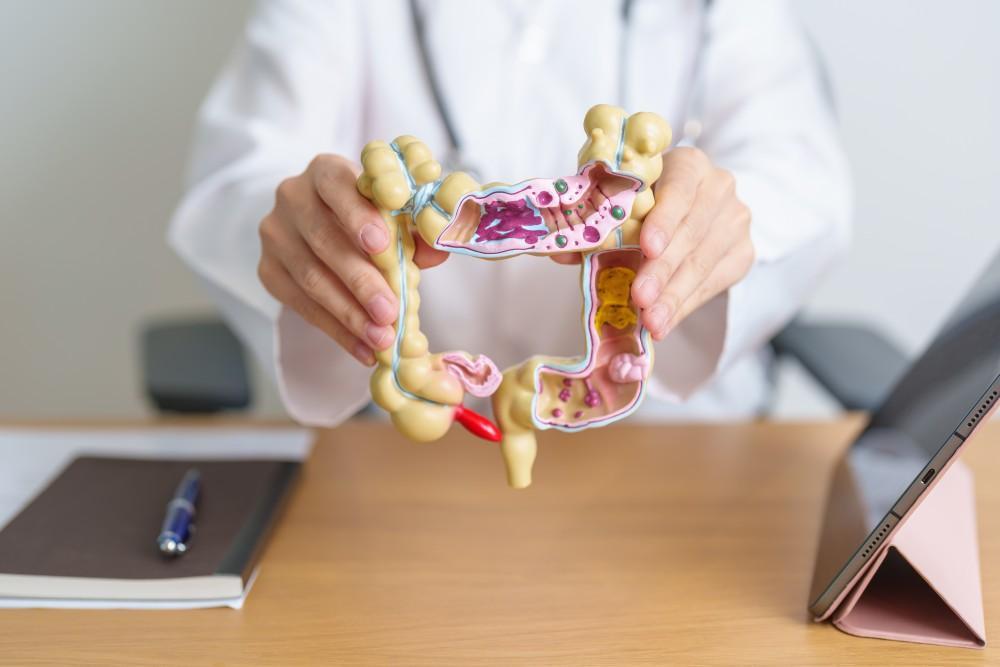
Ulcerative colitis treatment continues to evolve as research and clinical care introduce new ways to manage inflammation, reduce symptoms, and support long-term disease control. For patients living with this chronic condition, understanding newer treatment approaches can make it easier to discuss options with a provider and make informed decisions about care. Here are several advances shaping ulcerative colitis care:
Early Anti-Inflammatory Treatment
Anti-inflammatory medications are often the first step in ulcerative colitis treatment. Although doctors prescribe various drugs, aminosalicylates are frequently the first line of defense against inflammation. These medications reduce swelling in the digestive tract, and they can help patients achieve remission. Doctors offer these drugs in oral or topical forms. Patients apply topical treatments directly to the affected area, which minimizes systemic absorption. Patients take these drugs on a strict schedule. Consistency is key for managing the disease, so doctors monitor progress during regular checkups.
Short-Term Steroid Control
Sometimes anti-inflammatory drugs do not provide enough relief. Doctors then turn to stronger medications; steroids are used for rapid symptom control. When a patient experiences a severe flare-up, medications like prednisone can quickly reduce intestinal swelling. Steroids mimic natural hormones produced by the body; they act quickly to stop the inflammatory process and bring severe symptoms under control.
Medical professionals prescribe steroids for short durations. These drugs suppress the immune system effectively, but they cause unwanted side effects with long-term use. If a patient reaches remission through steroid therapy, the doctor will slowly taper the medication dose. Sudden withdrawal from steroids may cause health complications. A gradual reduction protects the body, and it prevents the disease from flaring up immediately.
Advanced Immune-Targeting Therapy
Doctors contemplate immunomodulators for more complex cases. If standard therapies fail to maintain remission, these medicines suppress immune function to reduce ongoing inflammation. Patients receive these treatments as pills or injections, and doctors closely monitor their overall health. Immunomodulators require time to reach full effectiveness. It takes several months for patients to see results, so doctors may combine them with steroids initially.
Biologic agents are another advanced ulcerative colitis treatment option. As medical researchers develop new biologic drugs, doctors have more ways to target specific immune proteins. These medications block inflammatory cells and perform specific functions: targeted immune proteins bind to proteins that cause intestinal swelling, and inflammatory cell-blocking medications prevent certain cells from reaching the digestive tract.
Patients receive these medications via injection or infusion. These advanced therapies require close monitoring, so patients visit a clinic for their scheduled doses. Even though these medications alter the immune response, they provide a fundamental tool for chronic management.
Surgical Treatment Decisions
When medication does not help a patient achieve remission, a specialist will discuss surgical intervention. The surgeon removes the damaged colon, and this procedure eliminates the disease entirely. The most common surgical procedure is called ileal pouch-anal anastomosis. After the surgeon removes the large intestine, they use the end of the small intestine to construct a new pathway. This surgery changes how the digestive system works, and it involves specific steps.
The surgeon creates an internal pouch from the small intestine and connects it directly to the anal canal for waste elimination. This method allows patients to have relatively normal bowel movements. Patients do not need an external bag, and they experience an improved quality of life.
Explore Ulcerative Colitis Treatment Options
Managing ulcerative colitis requires a customized medical approach. Healthcare providers evaluate each patient carefully, and they select the most appropriate therapies. While some individuals respond well to mild medications, others require advanced biologic agents or surgery. Contact a qualified gastroenterologist near you to schedule your appointment and explore available ulcerative colitis treatment options today.
