

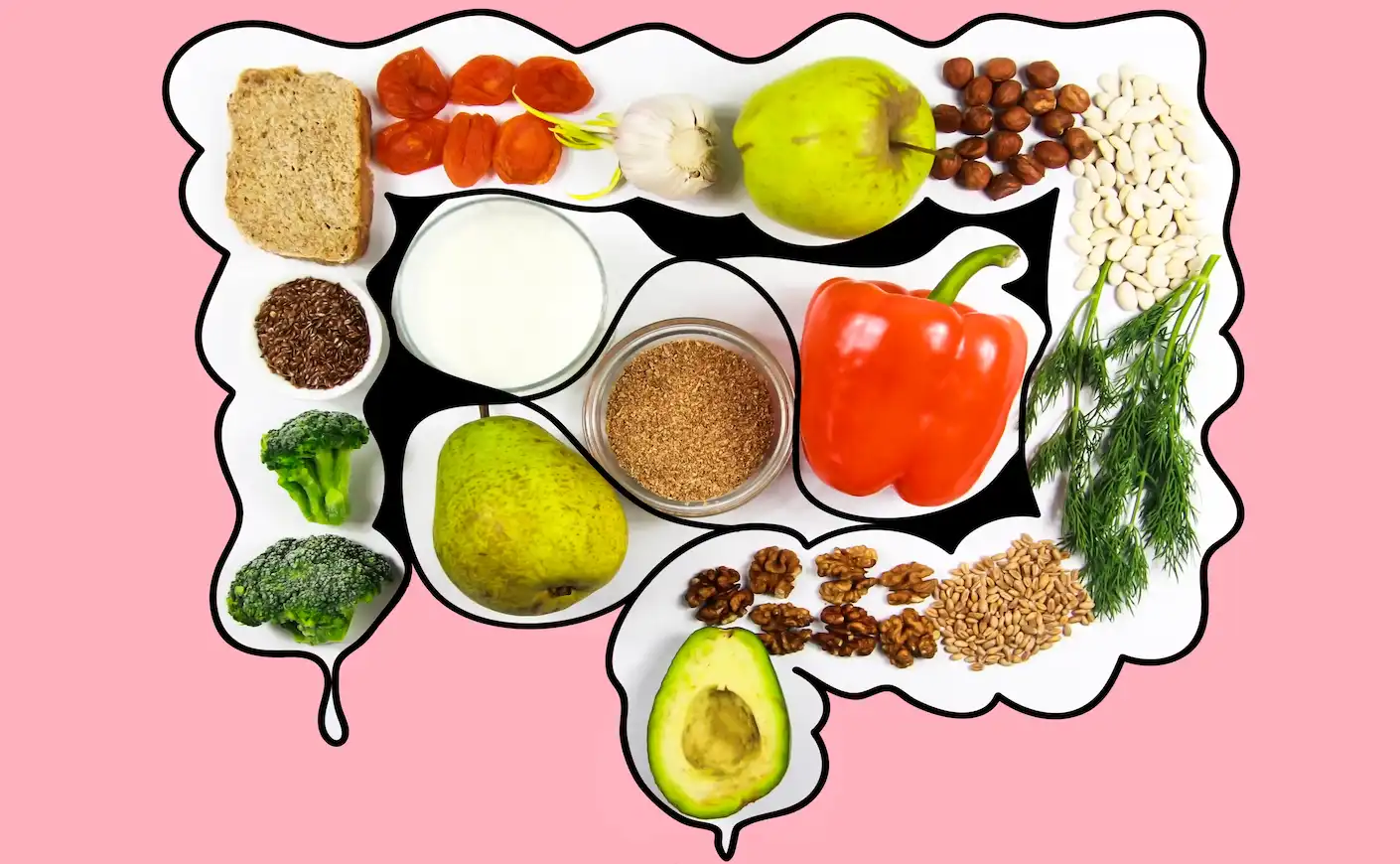
Colon cancer develops in the large intestine. This condition affects the colon. Dietary intake relates to colorectal cancer risk, and researchers examine links between nutrition and intestinal health. Diet acts as a modifiable risk factor, and screening supports early detection of abnormalities while medical sources describe dietary influences on risk. Colon screening identifies polyps, and clinicians remove these growths because early detection supports clinical management.
Colon Cancer Dietary Risk
Colon cancer risk relates to dietary patterns. A simple fact is that diet affects the colon. High intake of red and processed meats is associated with increased colorectal cancer risk, and dietary patterns differ across populations while studies examine these associations. The microbiome changes in response to dietary variation. This is a biological process. Researchers study the links between diet and intestinal environment, and dietary intake influences microbial composition, as described in the literature.
Dietary fat intake influences bile acid production. This is a digestive process. Bile acids interact with the intestinal lining, and changes in bile metabolism are discussed in colorectal cancer research while dietary composition affects exposure levels in the gut environment. Screening identifies colon abnormalities. This is a clinical step. Medical evaluations detect polyps, and clinicians assess risk during routine exams while colonoscopy removes abnormal growths when they are found.
Increasing Fiber Intake
Dietary fiber relates to colon health. Fiber is found in plant foods. Fiber intake is associated with bowel function, and fruits, vegetables, and whole grains contain fiber while dietary patterns affect intake levels. Gut bacteria interact with fiber. This is a digestive process. Fermentation produces short-chain fatty acids, and dietary components influence gut activity while these processes are described in research on nutrition and digestion.
Fiber intake varies across diets. This is a dietary difference. Beans and legumes provide fiber, and plant-based foods contribute higher fiber intake while overall consumption depends on food choices. Fiber affects stool transit time. This is a physiological process. Faster transit reduces waste exposure time, and digestive movement differs across diets while fiber intake is consistently studied in nutrition research.
Managing Meat Consumption
Processed meat intake is associated with colorectal cancer risk. Meat is a dietary factor. Red and processed meats differ in composition, and consumption patterns vary while studies examine these associations. Cooking methods influence chemical formation. This is a food process. High-temperature cooking produces compounds, and preparation methods affect chemical exposure while dietary studies evaluate these effects.
Processed meats contain preservatives. This is a food characteristic. Dietary intake patterns vary, and poultry and fish serve as alternative protein sources while clinicians evaluate dietary habits in risk assessment. Dietary exposure varies across populations. This is a consumption pattern. Meat intake differs by region, and nutritional studies examine these differences while dietary behavior influences overall exposure levels.
Find a Clinic
Diet relates to colorectal cancer risk. This is a general finding. Dietary patterns influence intestinal health, and screening supports early detection while research describes associations between diet and disease risk. Fiber intake and meat consumption are studied dietary variables, and nutrition is one factor among many while screening identifies polyps that clinicians remove through colonoscopy. Medical evaluation combines dietary and screening information in colorectal cancer risk assessment. Find a clinic to learn more.
