

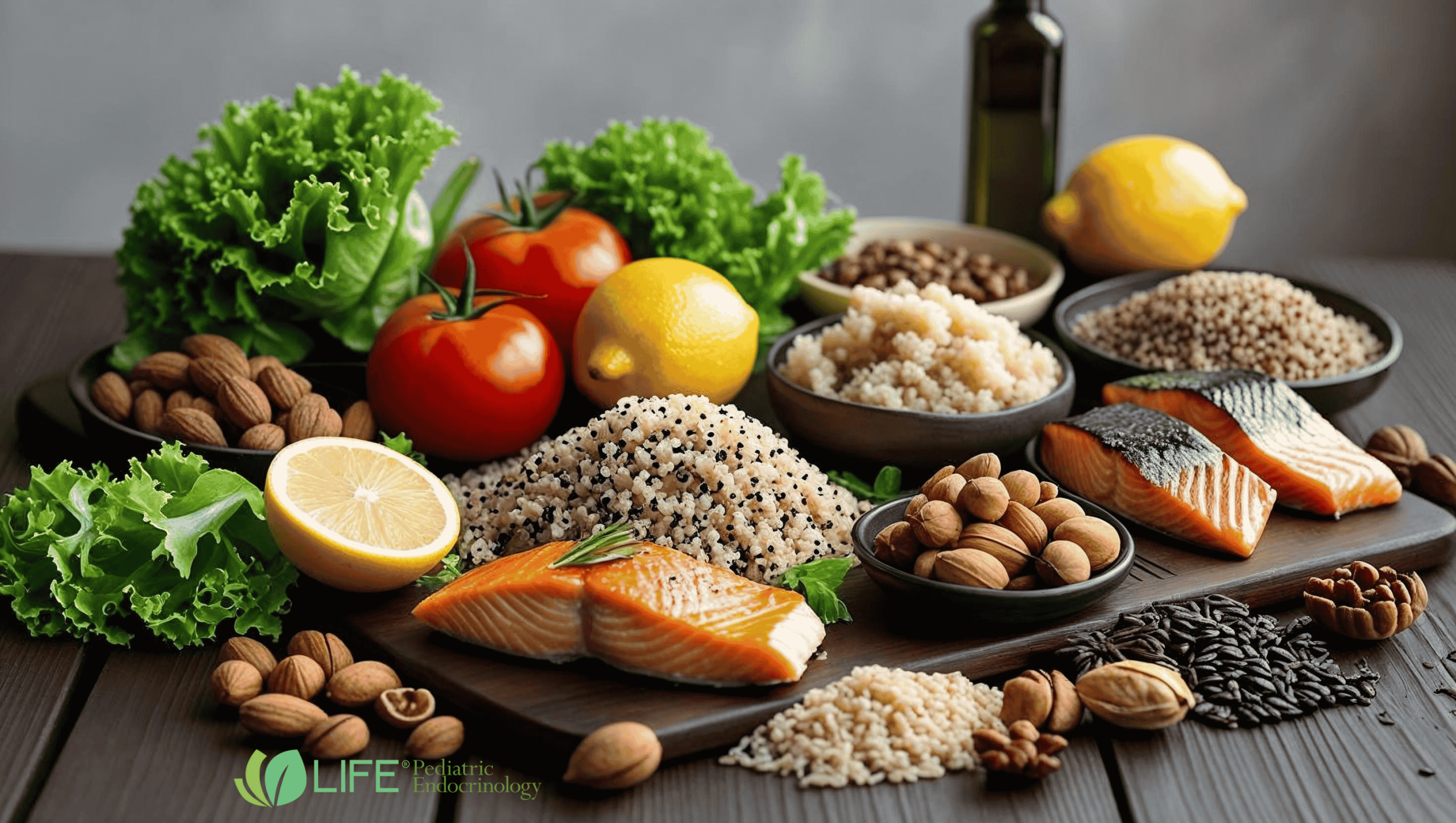
Endocrinology is a specialized field of medicine focused on the complex network of hormones that regulate significant bodily functions, including metabolism, growth, and energy balance. Within this framework, nutrition plays a pivotal role in influencing hormonal activity and maintaining overall physiological stability. Dietary choices can directly impact endocrine function, affecting conditions such as diabetes and thyroid disorders. Understanding the role of nutrition in endocrinology provides valuable insight into how targeted dietary strategies can support hormonal health and improve long-term clinical outcomes.
Regulating Hormones Through Nutrition
Your body produces hormones from nutrients in your diet, so a balanced intake is necessary. Proteins provide amino acids, which are building blocks for many hormones, and fats are necessary for producing lipid-based ones. To support this complex process, your daily meals must include a variety of nutrient-dense foods. Micronutrients like iodine, zinc, and vitamin D are also necessary for endocrine care.
Your food choices also impact insulin levels, which can affect other hormonal pathways. Sugar and refined carbs cause rapid insulin spikes, so focusing on complex carbohydrates and high-fiber foods helps manage your blood sugar. This simple adjustment provides steady energy and prevents extreme insulin fluctuations.
Understanding the Gut-Hormone Connection
Your digestive tract is home to trillions of bacteria. This microbiome greatly influences your hormonal health. The gut produces and regulates many hormones, which control appetite, digestion, and mood. A balanced diet feeds good bacteria, and these microbes help maintain a stable environment. You can support your gut health by eating plenty of fiber and fermented foods. Eating plant-based foods provides prebiotics to nourish your gut; therefore, a healthy gut is key to proactive endocrinology.
Stress and a poor diet can harm your intestinal lining. This damage further impacts hormone regulation. Reduce your intake of artificial sweeteners and processed snacks to protect your gut. Staying hydrated also supports digestion and nutrient transport. Prioritizing your digestive health is a comprehensive way to support your endocrine system and help your body function properly.
Managing Endocrine Disorders With Diet
Dietary changes can be a helpful part of managing certain endocrine conditions. If you have diabetes, you must monitor your carbohydrate intake to keep your blood sugar in a healthy range, and an endocrine specialist can provide nutritional guidelines tailored to you. Certain thyroid disorders also respond well to targeted nutritional support.
Conditions like polycystic ovary syndrome (PCOS) often involve insulin resistance, making diet a key part of managing symptoms. Many people see positive changes with balanced, low-glycemic meals; for instance, incorporating lean proteins and healthy fats helps stabilize energy. While diet does not replace medical treatment, it remains a fundamental part of comprehensive care. Sticking to these strategies can effectively support your prescribed treatments.
Improving Weight and Metabolic Health
Your body weight directly influences how your endocrine system functions. Body fat, or adipose tissue, is an active endocrine organ that secretes its own hormones, so carrying excess weight can disrupt your metabolic balance. Maintaining a healthy weight through mindful nutrition is key to hormonal stability. Both caloric balance and nutrient density regulate your metabolism; therefore, you should focus on lean proteins, vegetables, and whole grains for steady fuel.
Sometimes, underlying hormonal imbalances make weight management difficult through diet alone. Conditions like hypothyroidism can slow your metabolism, and this makes weight loss challenging. In these cases, a provider might integrate hormone replacement therapy (HRT) with nutritional counseling.
Schedule Your Endocrinology Consultation Today
Proper nutrition provides the foundation for a healthy, well-regulated endocrine system. Your daily food choices supply the raw materials your body needs to produce and balance key hormones. By focusing on nutrient-dense foods, you support your metabolism, gut health, and overall well-being. If you suspect your diet is impacting your hormonal balance, seek professional guidance by booking a consultation with an endocrinologist near you right away. They will take the time to evaluate your current health and develop personalized management plans
