

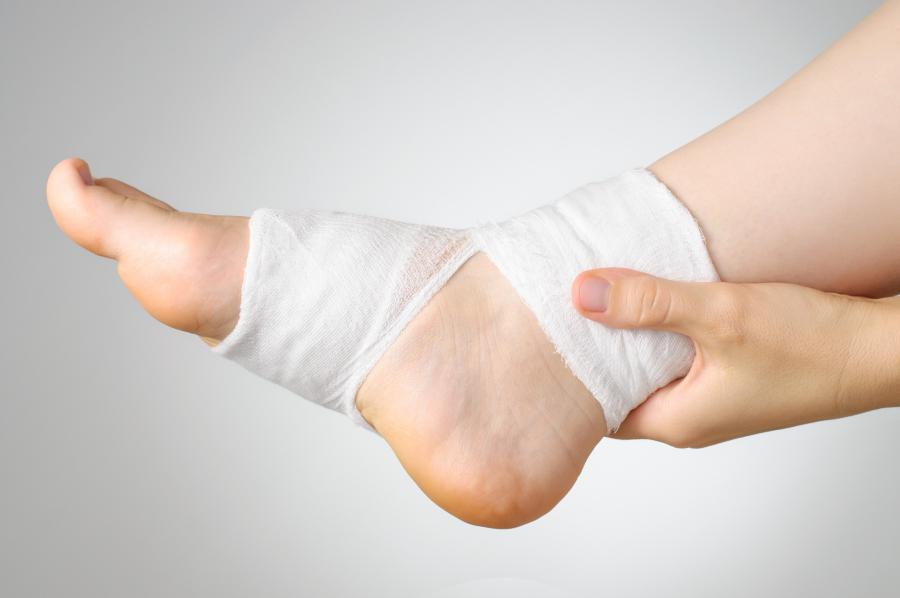
Ankle injuries happen when a sudden twist or severe force breaks the bone, and this injury is known as a fracture. While most patients recover from ankle fractures, the trauma can lead to lingering issues. Even after medical treatment, there are signs to watch for that something is not healing correctly. These are called complications, and here is more information about various complications of ankle fractures:
Ankle Fractures
Because bones bear the weight of the body, a severe ankle fracture happens when physical trauma overwhelms the joint. Trips and falls cause many of these injuries, and sports accidents contribute to the total as well. Doctors use different methods to treat broken bones.
Medical professionals treat minor breaks with casts, or they might prescribe a walking boot. Severe breaks may require surgery. When bones shatter into multiple pieces, a surgeon places plates and screws to stabilize the area, and this hardware supports the joint as it heals.
Slow Healing
Bones normally mend within a few months, but some breaks take much longer to fuse. A nonunion occurs when the bone pieces fail to knit together properly. Patients experience a few specific warning signs.
If the bone heals slowly, a patient might experience the following symptoms:
- Persistent pain around the injury site.
- Swelling that does not subside after a few months.
- An inability to bear weight on the joint.
These indicators suggest a problem, and a doctor must evaluate the joint promptly.
Surgical Infection
Although surgeons operate in sterile environments, infections can develop after an operation. Bacteria enter the incision site, and this causes significant problems for the patient. Catching an infection early stops it from worsening.
When infected, the skin around the wound becomes red, and it might feel warm to the touch. As the infection worsens, patients might develop a high fever or notice discharge leaking from the surgical cuts. Immediate medical intervention stops the spread.
Certain patients carry a higher risk for these postoperative complications. For example, poor blood circulation slows down the natural defense mechanisms of the body, and this allows bacteria to multiply. When you manage these underlying health conditions, you help your body heal well.
Metalwork Issues
Because doctors place plates and screws inside the body, this hardware can sometimes encounter problems. The metal parts can loosen, or they break entirely. Hardware failure causes localized irritation.
Patients might observe a few specific issues:
- A sudden popping sensation near the bone.
- New pain that sharpens when walking.
- Visible bumps under the skin where screws have backed out.
If the hardware moves out of place, the ankle loses stability, and the patient faces an increased risk of further injury. A doctor will order an X-ray, and this imaging shows the hardware.
Help Your Ankle Fracture Heal
Healing a broken bone takes time, and patients must watch for any abnormal changes. Complications like slow healing or infections may indicate the need for rapid care. If you want to learn more about actions to take after an ankle fracture, consult a podiatrist near you.
