

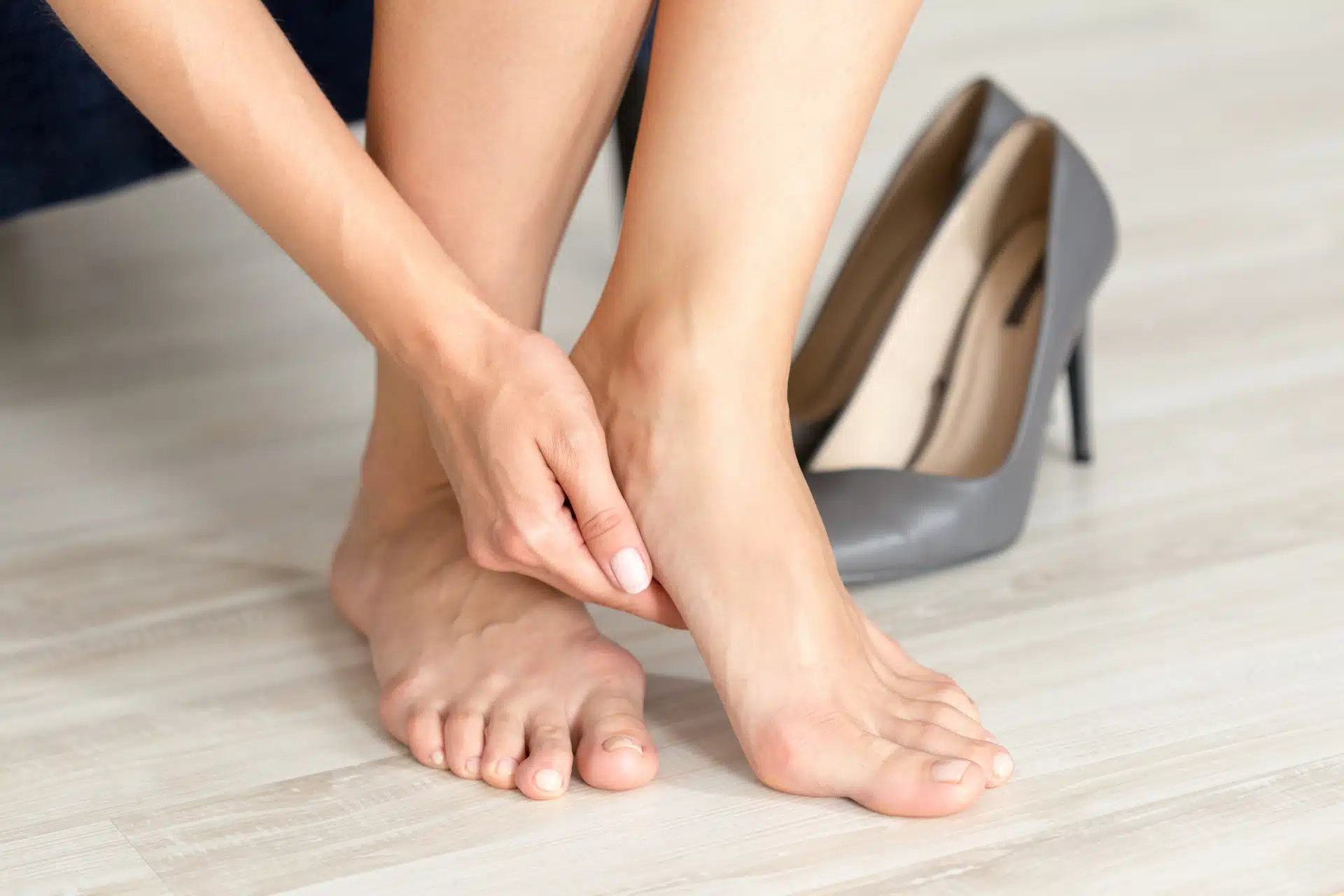
Plantar fasciitis is the irritation of the plantar fascia, a thick, fibrous band of tissue running across the bottom of the foot that connects the heel bone to the toes. This condition often results in sharp discomfort, particularly during the first steps you take in the morning. The shoes you wear play a direct role in how this tissue is supported throughout the day. Footwear choices are able to alleviate stress on the plantar fascia, or they can exacerbate tension, leading to further discomfort. By understanding the mechanical relationship between your shoes and your feet, you can make informed decisions to manage your foot health effectively and minimize daily irritation.
Key Connections
The design of a shoe dictates how weight is distributed across your foot during movement. Proper footwear aligns the foot, reducing excessive stretching of the plantar fascia, and provides a stable base for your body.
Shoes and Arch Support
The arch of the foot acts as a natural shock absorber and weight distributor. When a shoe lacks adequate arch support, the plantar fascia must work harder to stabilize the foot during movement. This added strain often contributes to tissue irritation and microtears. Shoes with structured arch support help evenly distribute pressure, and this structural reinforcement prevents the ligament from overstretching during walking or running. Individuals with flat feet or unusually high arches may require different levels of specialized support to maintain proper alignment.
Cushioning and Shock Absorption
Every step you take creates an impact force that travels from your heel up through your leg; shoes with proper cushioning absorb a significant portion of this impact energy. Without adequate shock absorption, the heel bone bears the brunt of the force. Repeated impact stress on the heel directly affects the attachment point of the plantar fascia. This increases the likelihood of inflammation and plantar fasciitis. Materials like dense foam are commonly used by footwear manufacturers to enhance the shock-absorbing properties of the midsole.
Recommended Footwear Features
Selecting the right shoes requires careful attention to specific design elements. When shopping for everyday footwear, look for the following characteristics to support your feet and manage tension:
- Firm heel counter: A rigid heel cup holds the back of the foot firmly in place to prevent unnecessary side-to-side motion.
- Contoured footbed: The interior of the shoe should map to the natural curve of your arch to provide constant contact and support.
- Cushioned insoles: Shoes with cushioned inserts that also allow you to easily accommodate custom orthotics if you require individualized support.
- Wide toe box: Ample space in the front of the shoe allows the toes to spread naturally, promoting better balance and weight distribution.
Footwear Features to Avoid
Certain shoe styles can increase the mechanical stress on your feet, and identifying and avoiding these types of footwear is a practical step in managing foot discomfort and supporting your recovery. High heels are a type of footwear that can significantly alter your feet’s natural biomechanics. Wearing high heels elevates the heel, shortens the Achilles tendon over time, and places excessive pressure on the ball of the foot. This shift in weight distribution can increase stress on the plantar fascia.
Flat, flexible shoes like ballet flats and minimalist sneakers often lack adequate shock absorption and supportive structure. Without proper arch support, these shoes force the plantar fascia to absorb impact with each step, and this may contribute to ongoing irritation. Flip-flops, especially traditional styles, typically provide minimal structure and support.
Worn-out athletic shoes can also present challenges. Over time, the supportive materials in running and walking shoes compress and lose their protective properties. Wearing shoes that are no longer supportive effectively removes the barrier between your foot and the ground, and this can add to the strain already placed on the plantar fascia.
Ask About Plantar Fasciitis Today
Managing foot discomfort often begins with a close evaluation of your daily footwear habits. Appropriate shoes provide the foundation your feet need to function efficiently, but persistent pain may require professional evaluation. A specialist can offer a comprehensive assessment of your gait and foot structure. They can recommend specific shoe types tailored to your anatomy and provide individualized guidance for managing your symptoms. Discuss your footwear choices with a professional today to establish a clear, effective plan for your ongoing foot health.
