

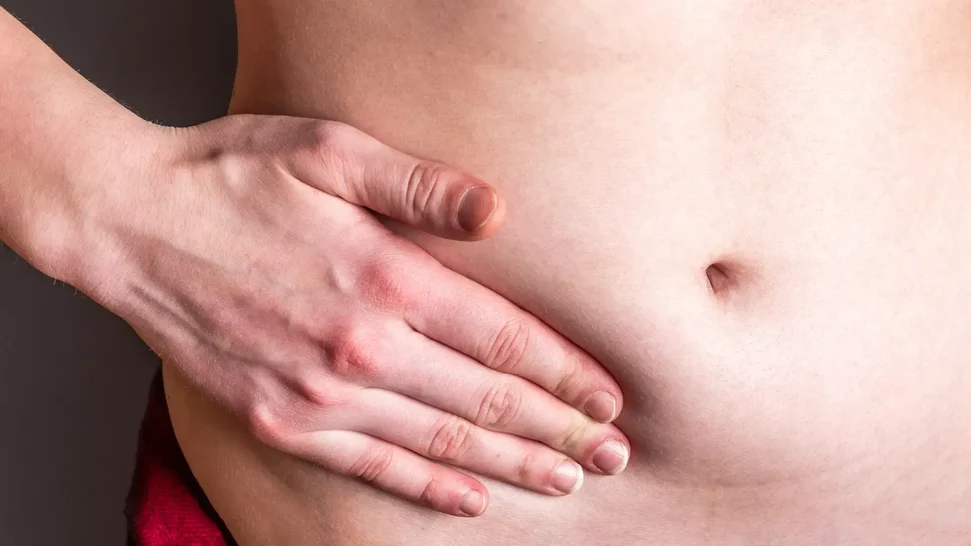
A hernia develops when an internal organ pushes through a weak spot in surrounding tissue, and this condition affects 20% of people in the United States. Because the condition does not heal on its own, medical professionals resolve these bulges with surgical repair. Doctors perform different procedures to repair a hernia. Here is more information about the different modes of hernia repair:
Common Hernia Causes
Many factors can cause a hernia, and the condition usually stems from a combination of muscle weakness and physical strain. Since heavy lifting puts pressure on the abdomen, it can trigger the tissue tear. Patients experience a visible lump, or they feel localized pain during exertion. Age plays a role in muscle degradation.
When the bulge forms, patients report several distinct physical signs. Because the pain worsens during certain activities, individuals must stop their physical tasks, and they must rest completely. The discomfort typically subsides during periods of inactivity.
Common signs of hernias include:
- A noticeable lump in the abdomen or groin.
- An aching sensation at the site of the bulge.
- Pain when coughing, bending, or lifting objects.
Some hernias do not require immediate surgical repair, as some only bulge out occasionally. A doctor may recommend the patient watch for worsening symptoms. Most hernias tend to worsen over time, and this is why a doctor may eventually recommend surgery.
Open Surgery Methods
During open surgery, the surgeon makes an incision near the bulge, and they manually push the protruding tissue back into place. After the doctor returns the organ to its proper location, they stitch the weakened muscle area closed, so the tissue can heal. The surgical team places a synthetic mesh over the repair site.
Because the incision is larger than with lapraroscopic surgery, patients require a longer recovery period in the hospital. The medical staff monitors the individual closely after the operation, and they provide detailed care instructions before discharge. Rest is part of the healing process. Patients resume normal activities gradually.
Laparoscopic Surgery Methods
Laparoscopic repair uses a minimally invasive approach, and the surgeon operates through several tiny incisions. When the operation begins, the doctor inflates the abdomen with a harmless gas to create a clear viewing space. A small camera enters through one of the incisions, so the surgeon can see the internal structures clearly. The medical team inserts special instruments through the other openings to perform the repair.
This technique reduces the trauma to surrounding tissues. Since the cuts remain small, patients experience less postoperative pain, and they recover quickly. They may return to work faster; the procedure requires general anesthesia.
Surgeons rely on the video monitor to guide their precise movements. As the camera displays the internal anatomy, the doctor places the supportive mesh over the defect, and they secure it with specialized tacks. The gas deflates at the end of the operation; tiny stitches close the small entry points.
Typical Surgery Results
Both approaches yield similar outcomes. They can provide permanent relief from the symptoms of hernias. While open repair works well for complex cases, the laparoscopic method offers a faster return to daily routines. Surgeons evaluate each patient individually, so they can recommend the most appropriate technique. Because strenuous movements strain the repair, doctors advise against heavy lifting for a few weeks.
Learn More About Hernia Surgery
Doctors can use two surgical methods to repair hernias: open surgery and laparoscopic surgery. While open surgery gives better visual of the issue and requires a larger incision, laparoscopic techniques utilize small cuts and a high-definition camera. Both procedures fix the weakened tissue, so they relieve the symptoms effectively. If you want to learn more about hernia surgery, consult a surgeon near you.
