

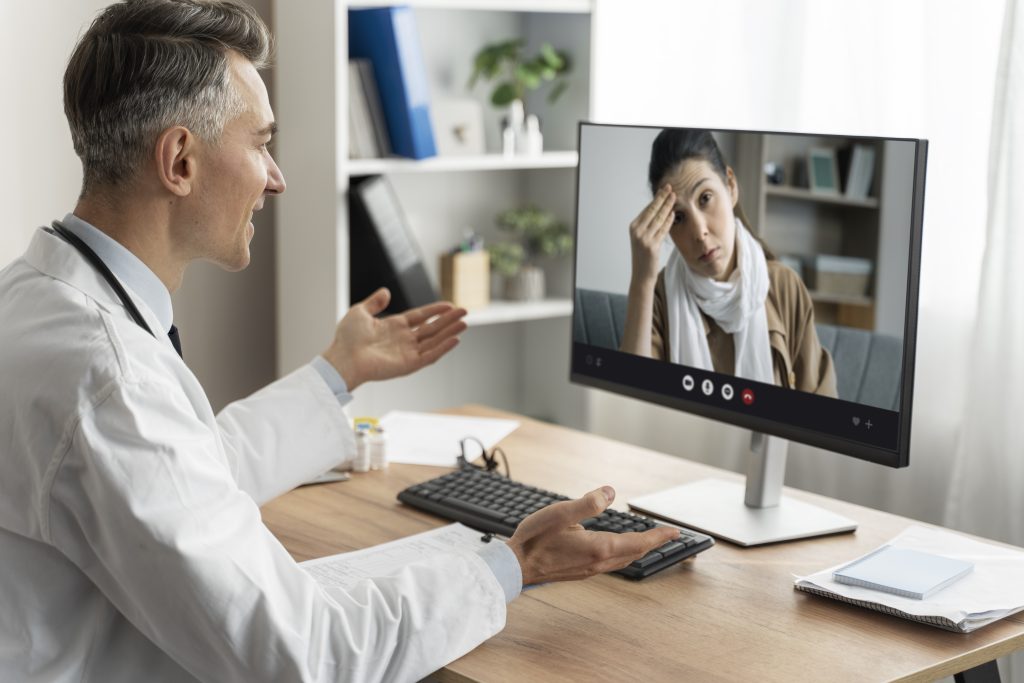
Telehealth delivers medical services and information through digital communication technologies. Patients meet with doctors via video, phone, or secure messaging instead of visiting a physical clinic; this allows providers to evaluate symptoms and prescribe medications from a distance. As digital platforms expand, remote care reshapes how individuals receive medical attention. Here are some ways telehealth is transforming healthcare access:
Enhances Convenience and Safety
Virtual appointments remove the need for travel. When individuals stay home for consultations, they avoid crowded waiting rooms and reduce their exposure to contagious illnesses. This physical separation minimizes the spread of seasonal viruses like the flu. Eliminating travel requirements also saves time, as patients don’t need to navigate busy city streets or search for parking. Patients simply log into a secure portal at their scheduled time, and doctors join the virtual room.
Some clinics also offer evening and weekend slots for telehealth visits, and they reserve specific time blocks for remote consultations. Expanded operating hours give working professionals the flexibility to seek medical attention without taking time away from their jobs. Parents also benefit from scheduling pediatric consultations after school hours.
Supports Chronic Condition Management
Ongoing medical monitoring requires regular check-ins, and patients managing conditions like diabetes, hypertension, or asthma can use digital health tools to track their daily metrics. These devices often sync directly with patient portals, allowing doctors to review data between formal appointments. Some remote monitoring systems alert providers if a patient’s blood pressure spikes or glucose levels drop unexpectedly. Detecting these metric changes early helps medical teams adjust treatment plans promptly and send updated prescriptions to local pharmacies. Digital health services may also help patients:
- Adhere to medication schedules: Some digital health tools send automated reminders to take your medications on time. Care teams may monitor your adherence through the patient portal, making adjustments as needed to confirm you stay on track with your treatment plan.
- Integrate health support: Dietary counseling and behavioral health support are often available via video calls; this combines different aspects of your care into a unified plan.
- Attend consultations: Virtual access enables frequent, realistic communication, especially if you have limited mobility.
- Access digital records: All your lab results and doctor’s notes are kept in one organized place, making it easy to track your health trends over time.
Improves Patient Communication
With encrypted portals, patients can send questions regarding medication side effects or symptom changes without calling the front desk. This supports dialogue between patients and their healthcare providers. Medical staff usually reply with written instructions within a few hours. These remain in the portal for future reference, so patients can refer back to the doctor’s recommendations. Since asynchronous communication supports early intervention, it helps prevent minor concerns from escalating into complex situations.
Schedule a Telehealth Appointment
Virtual healthcare provides a practical option for addressing non-emergency medical needs. Evaluating symptoms through a secure video call saves time, and it allows patients to receive guidance on their treatment options. Providers outline the next steps in the treatment plan, while staff remain available to answer questions about medications or lifestyle changes. Book your telehealth appointment online today to speak directly with a healthcare provider.
