

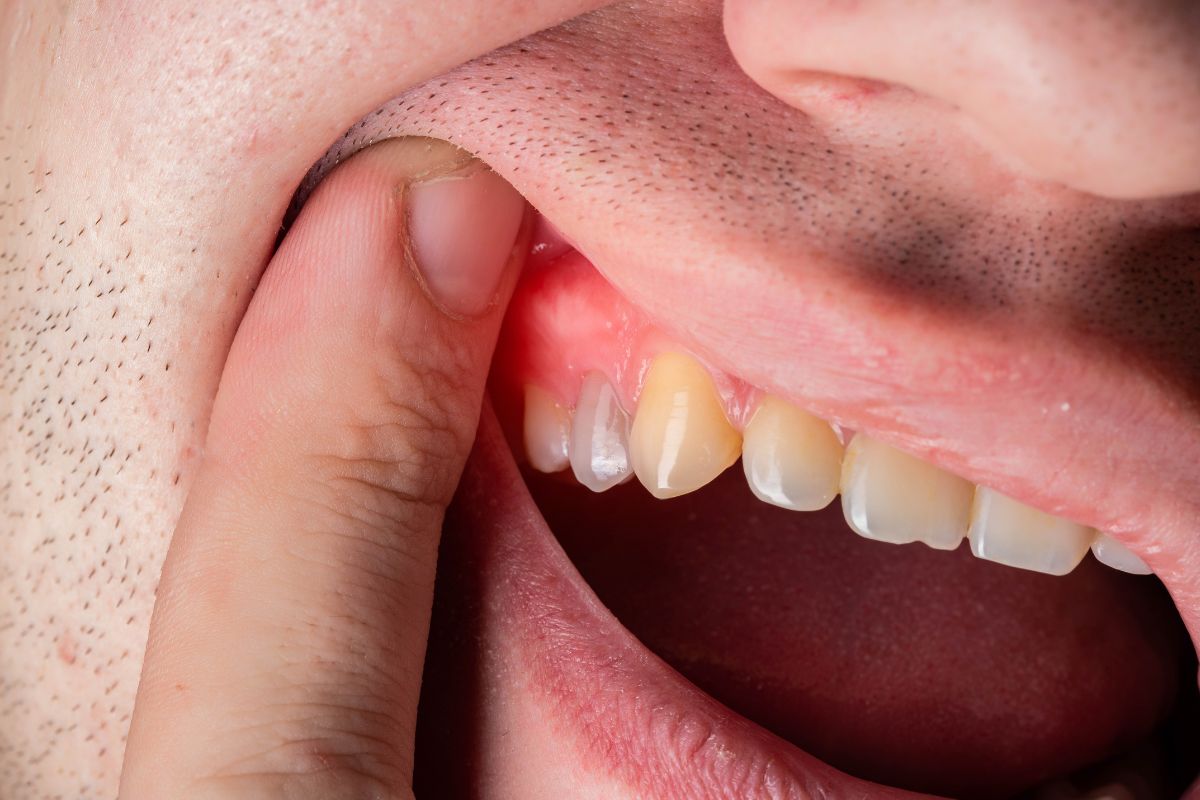
Oral hygiene can directly affect the condition of your entire body. While many individuals focus strictly on brushing their teeth to maintain a bright smile, the tissues surrounding those teeth require equal attention. Neglecting these areas can lead to infections that spread beyond the mouth. Regular dental care acts as a primary defense against these gum diseases.
What Is Gum Disease?
Gum disease begins when plaque builds up on the teeth and hardens over time. In its earliest stage, known as gingivitis, the infection remains localized to the soft tissues immediately surrounding the teeth. Patients can notice mild swelling or discomfort during this phase. With routine brushing and flossing, individuals may often reverse this early-stage inflammation. The infection advances into a more severe form called periodontitis if left untreated. At this stage, the bacteria penetrate deeper beneath the gum line, attacking the underlying bone and connective tissues that hold the teeth securely in place. This deterioration may lead to tooth loss and create pathways for the disease to spread.
How Does It Affect Someone?
Recognizing the early warning signs of an oral infection allows patients to seek prompt medical care. The symptoms often appear gradually, meaning individuals might not notice the subtle changes right away. A primary indicator is a change in the color and texture of the gum tissue. Healthy gums typically look firm and pale pink, while infected gums often turn dark red and become noticeably swollen or puffy.
Patients frequently experience bleeding when brushing their teeth or using dental floss. Persistent bad breath and generalized tenderness in the soft tissues are also common indicators of an underlying infection. Individuals might experience pain while chewing food. Another visible sign is gum recession, where the tissue pulls away from the teeth, making the teeth appear longer than usual and exposing the sensitive lower portions of the enamel.
How Is It Treated?
Dentists utilize several different methods to treat these infections, depending on the severity of the condition. The most standard initial approach involves a specialized deep cleaning procedure known as scaling and root planing. During this process, a dental professional uses specific instruments to carefully remove hardened tartar and bacterial plaque from beneath the gum line.
Fixing damaged crowns or broken dental bridges also helps eliminate areas where bacteria typically accumulate. When the infection causes significant tissue or bone loss, providers may recommend surgical interventions. Soft-tissue grafts can replace receding gums. Bone grafting procedures help rebuild the structural foundation of the jaw. Maintaining rigorous daily brushing and flossing routines at home supports these clinical treatments and prevents the infection from returning.
Meet With a Dentist
Scheduling regular visits to a dental office provides the most effective strategy for managing your oral health. Beyond simply cleaning your teeth, dental professionals monitor your mouth for early signs of inflammation before they develop into severe infections. By addressing infections in the mouth, individuals can support their body’s broader immune response. During a routine examination, your provider will provide personalized guidance on proper brushing techniques and recommend the best products for your specific needs. Establishing a consistent schedule for dental checkups gives you the tools and professional oversight needed to protect your smile and maintain your health.
