

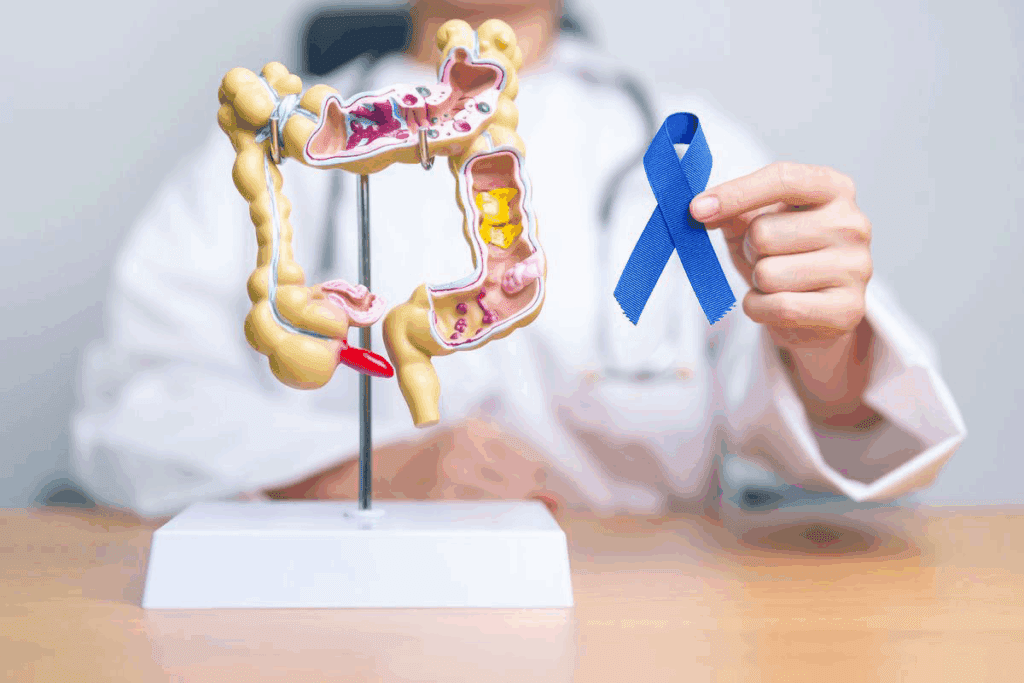
Colorectal cancer often develops gradually, which makes early detection a fundamental part of prevention and long-term health management. A colonoscopy is a valuable screening tool that allows doctors to examine the colon, identify abnormal growths, and remove certain polyps before they become more serious. It can also play a direct role in reducing the risk of colorectal cancer through timely screening and follow-up care. Here’s a closer look at the role of colonoscopy in preventing colorectal cancer:
Detecting Precancerous Growths
A colonoscopy allows doctors to detect abnormalities before they become dangerous. Polyps are small clumps of cells that form on the lining of the colon, and they often start as benign growths. If left untreated, these benign growths can turn into malignant tumors over time. Doctors look closely for these polyps during the examination. A trained specialist navigates the scope through the large intestine, and they carefully examine the tissue for changes.
Removing Abnormal Tissue
If a doctor identifies a polyp, they take immediate action to remove it. The colonoscope contains specialized tools, so the physician can cut away the abnormal tissue during the test. After they remove the tissue, they send the sample to a laboratory for further testing.
Doctors also treat other minor issues during the same session. They can apply heat to cauterize bleeding vessels, and they can inject medications directly into the colon walls. Here are the benefits this immediate intervention provides:
- It prevents polyps from developing into cancerous tumors.
- It stops minor internal bleeding instantly.
- It provides tissue samples for accurate laboratory analysis.
The simultaneous diagnosis and treatment make the procedure highly effective, and it reduces the need for more surgeries.
Supporting Early Diagnosis
Sometimes, patients undergo a colonoscopy because they already experience troubling symptoms. Conditions like ulcerative colitis and Crohn’s disease cause abdominal pain, and they require a thorough internal examination. When doctors investigate these symptoms, they often discover the root cause of the colorectal bleeding or discomfort.
The procedure helps identify structural problems inside the bowel. The camera detects signs of ulceration, and it may reveal holes in the colon known as fistulas. Here’s how detecting these issues early allows doctors to create an effective treatment plan:
- Doctors prescribe targeted medications based on the visual findings.
- Specialists plan surgical interventions if they encounter severe blockages.
- Medical teams monitor the healing process of ulcers over time.
When doctors diagnose colorectal cancer early, the disease is much easier to treat. Removing a small localized tumor requires less invasive treatment than managing cancer that has spread to other organs.
Strengthening Long-Term Screening
Regular screenings establish a baseline for your digestive health. Doctors compare your current test results with your past records, and they monitor the gradual changes in your colon lining. Following a strict screening schedule is a fundamental part of adult healthcare. Most adults begin regular testing at age 45, but high-risk individuals often start sooner. You can talk with your healthcare provider about your risk factors, and they will tell you when to schedule your first exam.
Book Your Colonoscopy Appointment Today.
A colonoscopy remains a fundamental method for detecting and preventing colorectal cancer. The procedure allows doctors to detect polyps, remove abnormal tissue, and make sure your large intestine stays healthy. When you participate in routine screenings, you take a key step in protecting your long-term health. Contact a qualified gastroenterologist near you to book your colonoscopy appointment today.
