

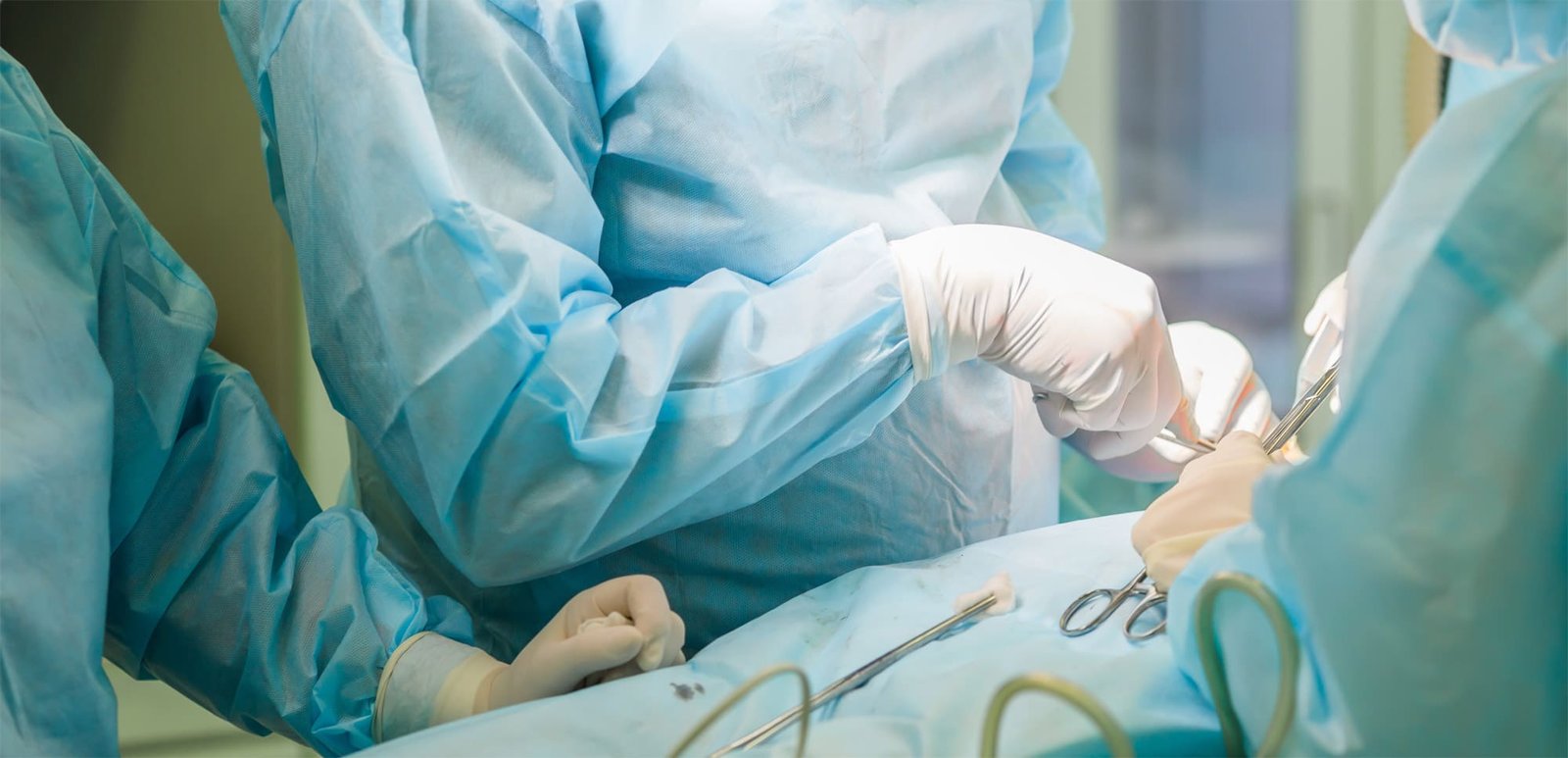
A breast surgeon plays a central role in helping patients navigate surgical care for breast cancer while also evaluating cosmetic and reconstructive outcomes. In oncoplastic surgery, the breast surgery specialist combines cancer removal techniques with approaches that help preserve the shape, symmetry, and appearance of the breast. Here’s a closer look at the role of a breast surgeon in oncoplastic surgery:
Evaluating and Planning Surgery
Before any incisions occur, the breast surgeon conducts a comprehensive evaluation of the patient’s medical condition. The assessment may include the following:
- Detailed Medical Assessment: The surgeon conducts a thorough review of the patient’s medical history and current health status.
- Diagnostic Imaging Review: The surgeon reviews imaging scans to understand the tumor’s size, and they assess the patient’s overall health to determine surgical candidacy
- Pathology Consultations: Tissue samples are examined to confirm the diagnosis and provide more information on tumor biomarkers, which help guide treatment decisions.
- Risk Assessment and Discussion: Factors such as age, overall health, and genetic predisposition are evaluated to assess potential risks and tailor the approach to the individual patient.
- Collaborative Care Planning: The surgeon collaborates with the multidisciplinary team to create a personalized surgical and treatment strategy that aligns with the patient’s specific needs and treatment goals.
These clinical evaluations guide the specific techniques the surgical team will use during the operation. The breast surgeon finalizes the surgical blueprint, and they discuss the expected outcomes with the patient in detail.
Removing Cancer
During the procedure, the breast surgeon focuses primarily on the complete excision of malignant tissue. The doctor removes the tumor with clear margins, and pathologists verify the tissue samples to confirm the absence of cancer cells. When the breast surgery specialist navigates the surgical site, they also monitor the surrounding tissue carefully, and they protect healthy structures from unnecessary damage.
After confirming the safe removal of the tumor, the breast surgery specialist immediately transitions to the reconstruction phase of the operation. The doctor reshapes the remaining glandular tissue, and they close the surgical defect to prevent visible deformities. If the tumor removal creates a significant structural void, the surgeon uses advanced tissue displacement techniques.
Coordinating Reconstruction and Collaborative Care
Complex oncoplastic procedures often require a multidisciplinary approach to achieve the best clinical outcomes. A breast surgeon frequently partners with medical oncologists, and they may collaborate with a dedicated plastic surgeon for extensive reconstructions. To make sure the patient receives comprehensive care, the medical staff may coordinate the following efforts:
- Scheduling the surgical intervention around chemotherapy sessions.
- Planning for potential postoperative radiation therapy.
- Coordinating simultaneous contralateral symmetry procedures.
- Aligning pathological testing with surgical timelines.
This coordinated effort minimizes the risk of surgical complications and delays in subsequent medical therapies. The surgeon acts as the primary director of the surgical phase, and they communicate updates to the rest of the oncology team.
Guiding Recovery and Long-Term Results
Following the operation, the breast surgeon monitors the patient’s physical healing and overall recovery progress closely. They provide instructions for daily wound care, and they schedule regular follow-up appointments to evaluate the surgical sites. The doctor may also place temporary surgical drains. The patient must empty these drains twice a day to help prevent postoperative swelling. Long-term success of oncoplastic surgery depends on consistent medical surveillance and strict patient compliance. The breast surgery specialist conducts routine physical examinations, and they order periodic imaging studies to detect any potential cancer early.
Talk to a Breast Surgeon Today
Oncoplastic surgery is an effective method for treating localized disease while maintaining physical form. The breast surgeon evaluates the medical condition, and they coordinate the tumor removal and reconstruction phases efficiently. If you require a medical evaluation for a breast condition, you should seek a qualified professional who understands these advanced surgical techniques. Contact a qualified breast surgery specialist in your area to schedule your consultation today.
