

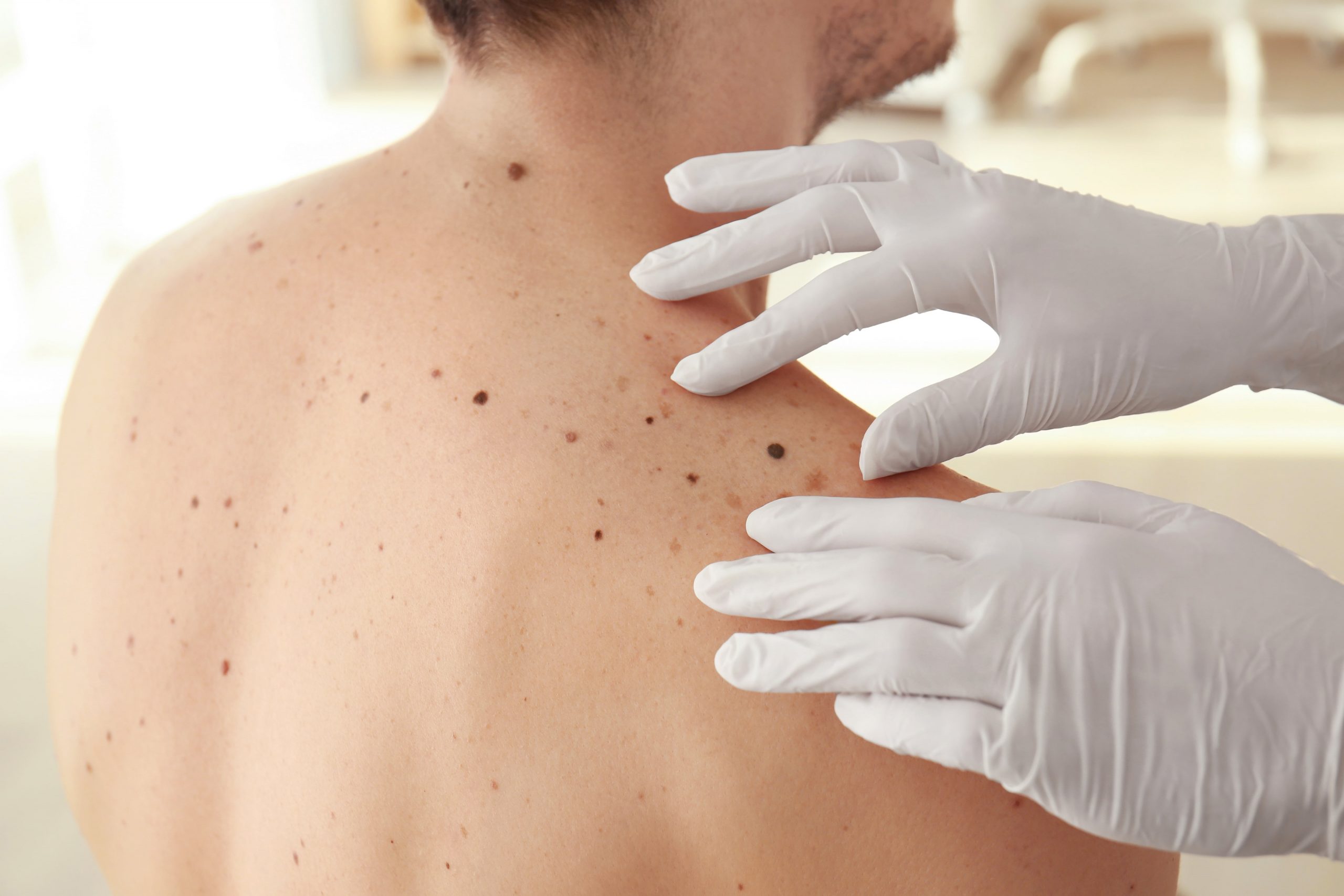
Dermatology is a specialized medical field, and it focuses heavily on overall skin health and disease management. Skin doctors diagnose various physical diseases, and they treat many common skin conditions daily. Because moles sometimes develop into serious medical issues, trained professionals monitor these specific spots closely. Here is more information on when to visit a dermatology clinic about a mole:
Irregular Edges
Normal moles usually have perfectly smooth borders, but problematic spots look noticeably different around the edges. If a mole develops poorly defined or scalloped boundaries, a doctor needs to evaluate the area immediately. Watch for these specific irregular edge traits on your body:
- Jagged or rough external outlines
- Leaked colors into the surrounding healthy skin
- Notched or blurred shapes
It is wise to check your skin regularly for changes. A mole with irregular edges might not always be dangerous, but it is better to consult a professional. If you notice a mole that changes shape, has uneven borders, and seems to grow over time, scheduling a medical appointment should be a top priority.
New Moles
When healthy adults grow older, they may develop completely new spots on their skin. A brand-new spot requires a careful and prompt medical evaluation by a specialist. Most existing skin marks stay stable, but sudden new growths require immediate medical attention.
Adults typically retain their familiar childhood marks without seeing any major physical changes. While most new marks are completely harmless, rapid physical growth needs a professional medical review. Physical changes happen very fast sometimes, so prompt dermatology evaluations help patients.
High Risk Factors
Genetics plays a major role in skin health, and a family history elevates your personal risk. People with lighter skin types face a higher risk of developing skin problems. Because severe sunburns damage delicate skin cells, past burns increase future dangers for patients.
If you spend many hours outdoors, intense UV exposure can harm your unprotected skin cells greatly. Daily sunscreen protects the human body, but individuals may forget to apply it. Indoor tanning beds also cause severe cellular damage over a long period of time.
A naturally weakened immune system may raise your overall physical vulnerability to abnormal skin growths. While routine physical exams help everyone, high-risk individuals need frequent medical exams by specialists. Early detection is beneficial in managing skin health, and combining self-examinations with professional medical screenings significantly increases the chances of identifying potential issues before they become serious.
Asymmetrical Moles
Symmetrical spots look nearly identical on both sides, but asymmetrical ones differ noticeably in shape. If you draw a straight line through the middle, the two halves will not match. This uneven physical shape serves as a primary warning sign of abnormal cellular growth.
Look for the following:
- Irregular or uneven edges that appear jagged or poorly defined
- Varied colors within the mole, such as shades of brown, black, red, or white
- Noticeable differences in size or shape compared to other moles on the body
- Rapid changes in appearance, including growth or alterations in color and texture
Visit a Dermatology Clinic
When you notice very unusual skin changes, schedule a specialized medical appointment immediately. A quick medical check provides quick answers about your current skin health. Protect your physical health today, and call your local dermatology clinic right now.
