

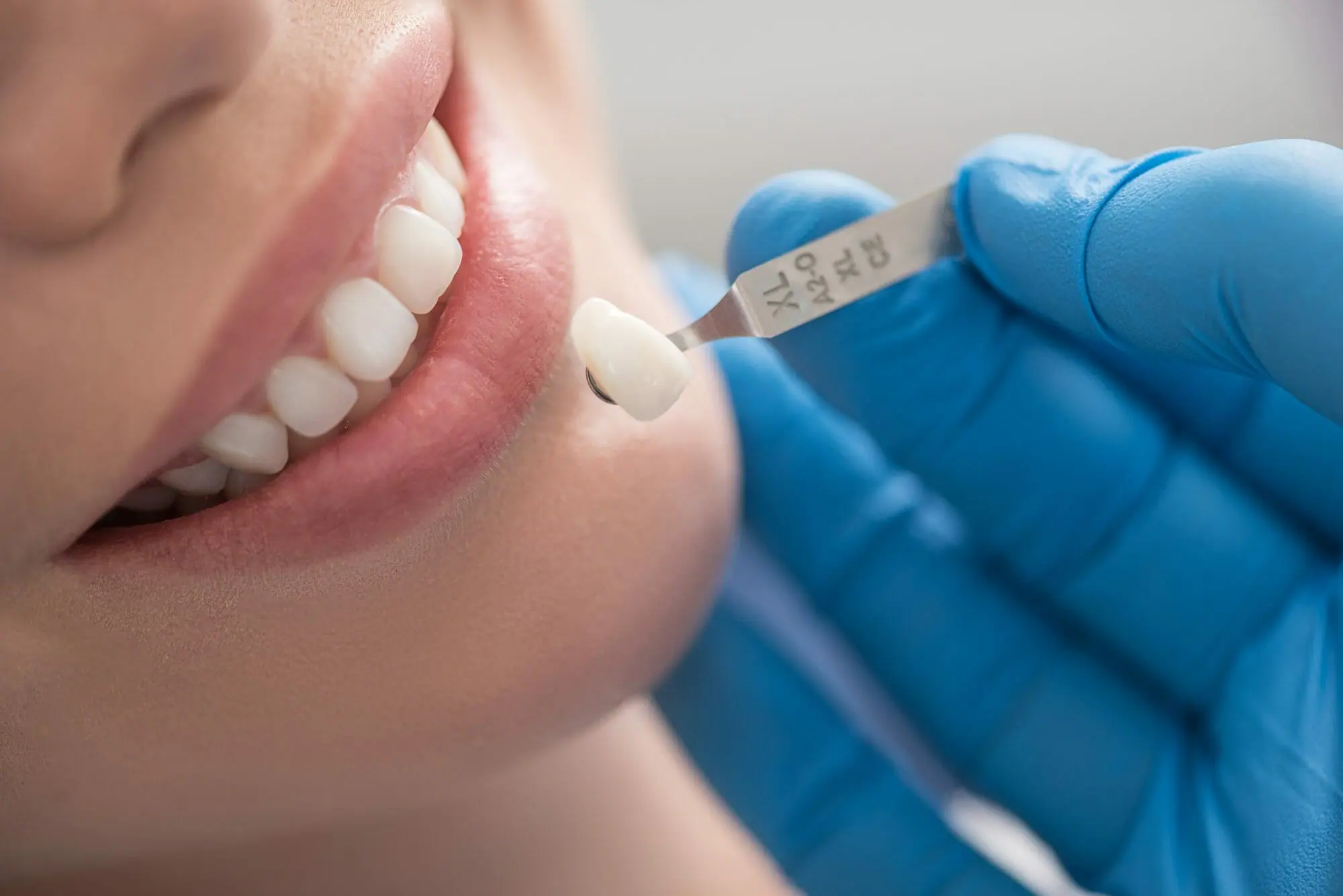
Dental health involves maintaining the structure and function of teeth over time. Teeth experience significant wear from daily activities, and they can sustain damage from various sources. Dental crowns offer a reliable restorative option for patients and help preserve natural tooth structure. Here is more information on dental crowns:
What Damages Teeth?
Tooth enamel is susceptible to deterioration, and acidic foods and beverages gradually erode this protective layer. Physical trauma from accidents can also cause immediate structural fractures in otherwise healthy teeth. Patients who grind their teeth exert excessive pressure; this habit gradually wears down the occlusal surfaces, necessitating clinical intervention, such as dental crowns.
Tooth decay is another primary cause of dental damage in adult patients. Bacteria in the mouth produce acids from residual food particles, and these acids create cavities within the tooth structure. Large cavities significantly weaken the remaining enamel and dentin. If left untreated, the decay progresses deep into the tooth’s internal chambers.
What Are Dental Crowns?
A dental crown is a custom-fabricated cap placed over a prepared natural tooth. Crowns encapsulate the entire visible portion of the tooth at and above the gum line. The restoration restores the original shape of the damaged tooth, and it provides a durable chewing surface. Laboratory technicians craft these caps using precise impressions of the patient’s mouth, resulting in a prosthetic that fits securely over the underlying natural structure.
How Do They Work?
Dental crowns function by completely covering a weakened or damaged tooth structure. The cap distributes chewing forces evenly across the restoration, and this protects the fragile natural tissue underneath from further fracture. By sealing the tooth, the crown prevents harmful bacteria from reaching sensitive internal nerves. This barrier stops the progression of existing decay while providing necessary structural support.
The cementation process binds the prosthetic securely to the prepared tooth surface. Once attached, the crown serves as the tooth’s new outer layer. The restoration handles the mechanical stress of mastication. The natural root continues to stimulate the surrounding jawbone, and this integration maintains the overall alignment and stability of the dental arch.
What Does the Process Involve?
A dental professional first removes any decayed tissue from the affected tooth, then they reshape the enamel to create sufficient space for the prosthetic cap. A temporary crown protects the prepared tooth while the laboratory fabricates the permanent restoration. Once the permanent crown is ready for placement, the dentist removes the temporary cap and cleans the underlying tooth structure thoroughly. Dental cement secures the permanent crown in its designated position.
How Is Oral Health Promoted?
Dental crowns promote oral health by preventing the complete loss of a compromised tooth. Extracting a tooth may lead to bone resorption, but a crown preserves the natural root and maintains bone density. Keeping the natural tooth also prevents adjacent teeth from shifting into empty spaces. Proper alignment facilitates effective oral hygiene practices like standard brushing and flossing.
Restoring damaged teeth with crowns may reduce the risk of complex dental infections. The tight seal blocks bacterial entry, and it protects the vulnerable dental pulp. Patients regain full chewing capacity, which contributes to better nutrition and digestion. Consistent care of the crowned tooth supports long-term oral stability.
Consult a Dentist Today
Addressing dental damage promptly helps prevent more extensive structural issues in the future. A clinical evaluation identifies whether a dental crown is the appropriate restorative treatment for the specific condition. Dentists offer customized care plans, and they guide patients through the entire restoration process. Schedule an appointment with a local dental clinic to discuss restorative options.
