

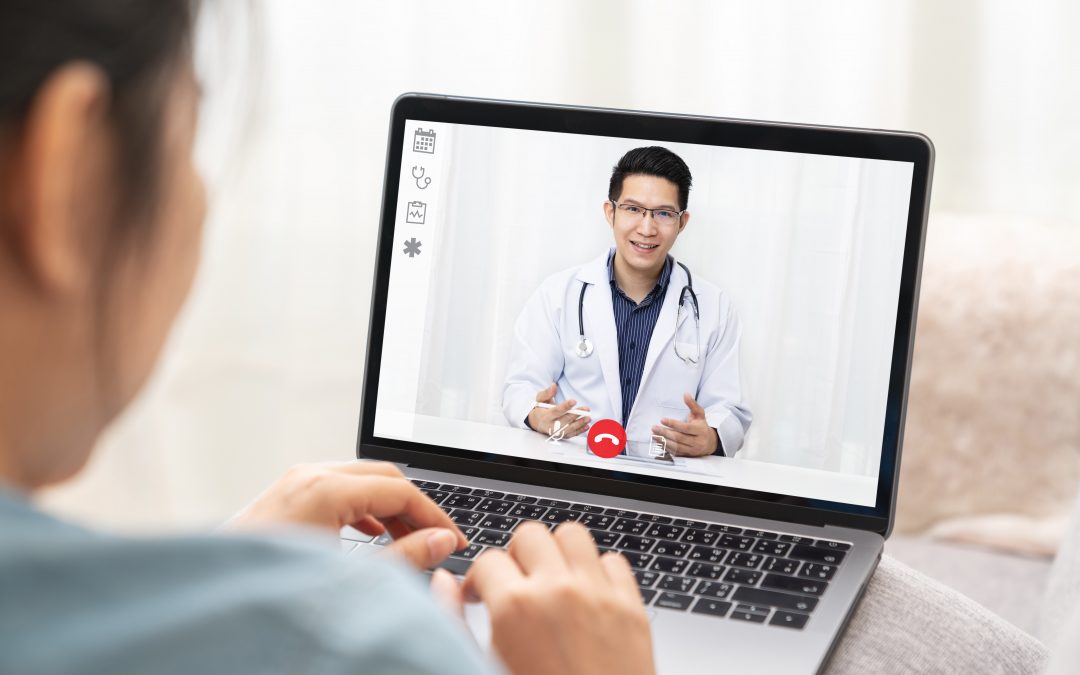
Telemedicine is a healthcare approach that allows providers to evaluate, diagnose, and advise their patients using telecommunications technology. Rather than traveling to a clinic or hospital, patients can connect with their medical team through secure healthcare platforms. This digital approach to medicine removes physical barriers to access, enabling individuals to get timely professional guidance about their health. By streamlining the connection between patients and providers, virtual healthcare systems are actively reshaping how medical support is delivered. Here’s information on telemedicine services and how they benefit many people:
When To Choose Telemedicine
Telemedicine provides a convenient alternative to traditional office visits, and it helps maintain continuity of care for those with ongoing management plans. Determining the right time to use virtual care depends on the nature of your specific health concerns. Telemedicine is effective for routine follow-up appointments, medication management, and the discussion of recent laboratory results. If you are managing a chronic condition that requires regular check-ins but does not demand physical intervention, you can schedule an online visit.
Telemedicine allows you to connect with your primary provider through secure healthcare websites, allowing for communication methods like:
- Video Conferencing
- Phone Calls
- Online Messaging Platforms
Virtual appointments are suitable for addressing minor, non-emergency issues. These might include general wellness questions, mild skin irritations, or basic nutritional counseling. Severe symptoms or conditions requiring immediate diagnostic testing always necessitate timely, in-person medical attention.
What To Expect From Appointments
Preparing for a virtual appointment involves a few simple logistical steps to give you a smooth connection and appointment experience. Prior to your scheduled time, your provider’s office will typically send a secure link via email or patient portal. You will need a reliable internet connection and a device equipped with a camera and microphone, like a smartphone, tablet, or computer. Finding a quiet, private space will help you communicate clearly and protect your personal health information.
Once the appointment begins, the process is similar to a standard, in-person office visit. Your provider will review your medical history, ask detailed questions about your current symptoms, and discuss any necessary lifestyle adjustments. Providers will ask questions to fully understand your situation, but they cannot perform physical exams over a screen. They instead rely heavily on your accurate descriptions and visual assessments via the camera to formulate an appropriate care plan.
How To Follow-up
The steps you take after a virtual visit depend on your current health and your doctor’s recommendation. Before concluding the call, your healthcare provider will summarize their recommendations and outline a clear plan of action. This may involve sending a new prescription to your preferred pharmacy, ordering blood tests, or referring you to a specialist. If a physical examination is required to address your condition, the clinic staff will schedule you for an in-office visit. Your doctor will outline the next steps, but you can often review your post-visit summaries in your patient portal.
Benefit From Telemedicine Services
Telemedicine services provide an efficient, professional channel for communicating with your medical team. By utilizing virtual visits for appropriate health concerns, you save time, reduce travel-related concerns, and minimize your exposure to other illnesses in waiting rooms. When used appropriately as part of a comprehensive healthcare strategy, virtual appointments help you receive more consistent medical guidance. Contact your primary provider to ask about their telehealth options today.
