

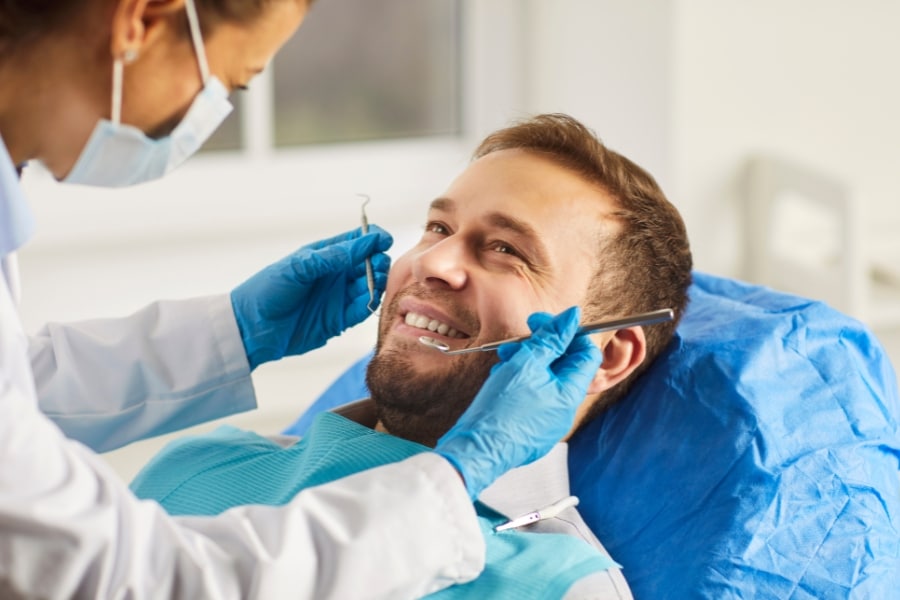
Oral health is connected to overall physical health. General dentists handle both routine examinations and sudden complications. Regular checkups prevent decay from spreading, and immediate interventions treat severe damage. Here is more information on general dentists, the services they offer, and what emergency dental care involves:
What Is a General Dentist?
A general dentist acts as the primary care provider for patients of all ages. They diagnose common oral diseases, and they develop comprehensive treatment plans for long-term health. These practitioners handle everything from basic cavity fillings to emergency dental care.
The general dentist serves as the first point of contact for mouth pain. They evaluate physical symptoms, and they order specific imaging to assess bone structure. A clear diagnosis dictates the next steps, allowing the dentist to prescribe the appropriate intervention. Patients may experience better long-term health outcomes with professional dental care.
What Services Do They Offer?
General dentistry encompasses preventative, restorative, and cosmetic procedures. Preventative care includes routine X-rays, and restorative care involves repairing broken teeth. Dentists apply sealants to protect enamel and extract severely damaged teeth to stop infections. Clinics also offer services like root canals, crown placements, and regular professional cleanings.
What Is Emergency Dental Care?
Emergency dental care addresses sudden and severe trauma to the teeth or gums. Standard appointments require scheduling weeks in advance, but emergency visits can be seen the same day. Dentists prioritize these cases to stop excessive bleeding, thereby alleviating pain. Immediate medical intervention may save dislodged teeth and prevent bacterial infections from spreading into the bloodstream.
The treatments administered during an emergency visit focus on immediate stabilization. The dentist stops the localized bleeding and applies temporary fillings to seal open nerve endings. Permanent restorative work often requires a follow-up appointment, but the emergency session removes the immediate physical danger. Dentists also help with pain management during the process.
What Conditions Necessitate Emergency Care?
Certain physical traumas require immediate medical intervention. A knocked-out tooth is a severe dental emergency, and patients must seek help to save the root. Uncontrollable bleeding from the gums necessitates urgent care, and a severe localized infection requires immediate antibiotic treatment. Sudden swelling in the jaw indicates an abscess, which can cause systemic complications.
Severe pain also qualifies as a medical emergency. A fractured tooth exposes the sensitive nerves, causing discomfort with temperature changes. Dentists cover the exposed area, or the nerve will sustain permanent damage. Some patients experience sudden crown detachment, which requires prompt professional reattachment.
Soft-tissue injuries inside the mouth also require rapid clinical evaluation. Deep lacerations on the tongue require stitches, and heavy bleeding from the inner cheek necessitates professional cauterization. Patients cannot manage these deep wounds at home, so they must visit a clinic for proper sterilization. Untreated cuts introduce dangerous bacteria into the bloodstream, potentially leading to infections.
How Is Oral Health Maintained?
Good hygiene requires daily habits and regular professional interventions. Patients benefit from brushing their teeth twice a day, and flossing daily removes hidden plaque. A general dentist provides thorough cleanings that eliminate hardened tartar buildup. Daily brushing removes soft food particles, but professional scaling targets the calcified deposits beneath the gum line.
Visit a Dentist Now
General dentists provide the treatments required to sustain oral hygiene. They handle scheduled preventive care, and they manage sudden dental emergencies. Delaying treatment may exacerbate minor infections, so patients should seek help for any sudden pain. Contact a local dental office today to schedule a routine exam or emergency appointment.
