

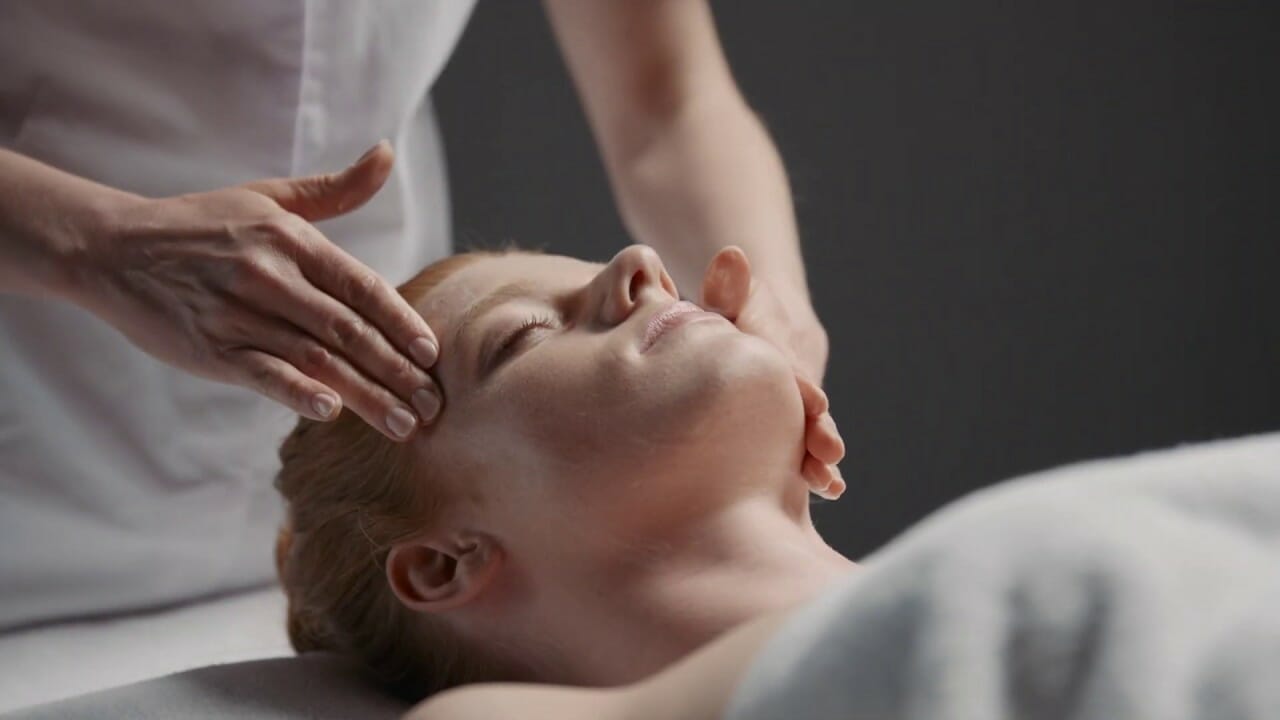
A medical spa combines a clinical setting with cosmetic care, providing specialized procedures for patients. Individuals may visit these facilities for aesthetic treatments, and practitioners use specialized equipment to administer them. Understanding the parameters of these clinics helps individuals evaluate their options. Here is more information on med spas and the services they offer:
What Is a Med Spa?
A med spa is a hybrid facility that integrates medical technology with traditional spa treatments. A qualified medical doctor oversees operations, and licensed professionals execute the daily procedures. Patients receive clinical-grade care in a structured environment. These centers adhere to specific health regulations, and they maintain medical standards during patient interactions.
These facilities take an operational capacity between standard day spas and medical clinics. Patients bypass the need for a hospital environment. The medical director may create the protocols, and the nursing staff implements them. This model provides convenience for the patient while maintaining a sterile clinical standard.
What Are the Available Services?
Medical spas offer a range of aesthetic procedures targeting various skin and body conditions. These services provide localized modifications without requiring surgical intervention.
- Cosmetic Injectables: Practitioners administer substances to reduce muscle activity or dermal fillers to restore volume in specific facial areas.
- Laser Therapies: Facilities use laser technology for procedures such as hair removal and skin resurfacing to address pigmentation anomalies.
- Skin Exfoliation: Staff members may provide chemical peels or microdermabrasion to exfoliate the skin’s outermost layer.
To support these in-office treatments, clinics may recommend specific skincare products for patients’ at-home use.
What Are the Expected Results?
The outcomes of medical spa procedures vary by treatment, and they depend on individual patient characteristics. Injectables yield temporary modifications, with patients typically seeing effects within a few days. Laser procedures may require multiple sessions for full efficacy. Providers can document these timelines during the initial patient assessment.
Some treatments initiate cellular regeneration, which alters skin texture. Dermal fillers provide immediate structural changes, and the materials integrate with the surrounding tissue over time. Patients benefit from following post-treatment instructions, as this compliance influences the final outcome. Photographs provide objective evidence of the procedure’s efficacy.
What Does a Consultation Entail?
A consultation serves as the initial assessment phase, and it determines the appropriateness of specific procedures. The practitioner evaluates the patient’s medical history and current medications. Providers examine the target treatment areas and may take clinical photographs, which allows them to formulate a structured care plan.
During this appointment, the provider may outline the recovery process. Patients ask questions about the interventions, and the staff supplies evidence-based answers. The clinician calculates the exact dosages needed and determines the appropriate scheduling sequence. This dialogue aligns patient expectations with physiological realities.
How Are Professional Treatments Beneficial?
Professional treatments provide access to medical-grade technology. Trained personnel operate the equipment, following safety protocols to minimize adverse reactions. The clinical oversight enables adherence to procedural guidelines. Patients gain access to accurate diagnostic tools, and practitioners deliver precise application of aesthetic therapies.
Know What To Expect
Medical spas deliver specific treatments for a variety of medical and cosmetic issues. Patients undergo structured evaluations before receiving care, and practitioners monitor the ongoing results. Review the available procedures by contacting a clinic.
