

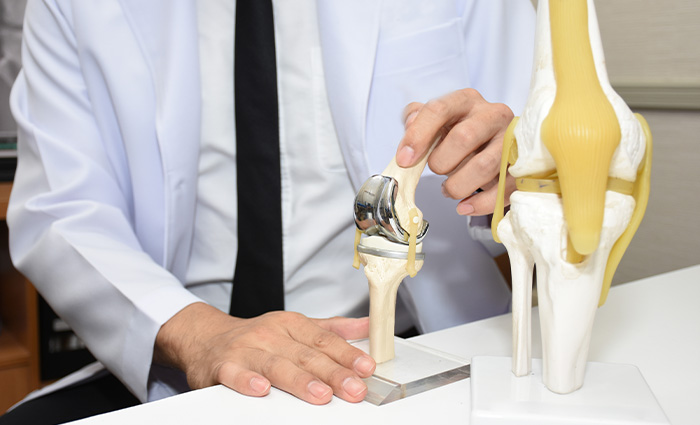
Joint replacement can be an effective solution for individuals dealing with chronic pain, limited mobility, and reduced joint function that no longer improves with conservative treatment. It is fundamental to understand what the procedure involves, how to prepare, and what recovery may require before moving forward with surgery. Here are some key things to know before undergoing joint replacement:
When Is Surgery Right?
Orthopedic specialists evaluate several factors to determine if a patient needs a new joint. You should think about joint replacement when joint pain prevents you from performing everyday activities. Nonsurgical treatments often work initially, but they may eventually fail to improve your symptoms. Here are some key conditions that make surgery necessary:
- Advanced arthritis: This condition causes significant damage to bones and cartilage, so a prosthetic joint becomes the primary treatment.
- Severe fractures: Trauma can destroy the joint structure, which makes reconstructive surgery fundamental for recovery.
- Avascular necrosis: Blood loss may cause bone death, and patients require surgical intervention to restore mobility.
- Rotator cuff arthropathy: A chronic rotator cuff tear causes joint instability, which may lead to severe arthritis over time.
A medical professional provides a thorough examination to assess these specific conditions. They will review your medical history and order imaging tests to assess internal damage.
How Should You Prepare?
Proper preparation is a fundamental step for a successful joint replacement surgery and outcome. You need to adjust your home environment before surgery to prevent falls during the early recovery phase. You can install grab bars in the bathroom, and you should remove tripping hazards like loose rugs from the home. Your doctor will review your current medications during the preoperative appointments. You should stop taking blood thinners prior to the procedure to reduce the risk of excessive bleeding.
Medical staff will also provide specific fasting instructions, and you must follow them closely the night before surgery. Physical conditioning plays a key role in your postoperative rehabilitation. You can perform targeted exercises to strengthen the surrounding muscles before the operation date.
What Happens During Recovery?
The rehabilitation period begins immediately after the procedure. Medical staff will monitor your vital signs, and physical therapists will help you stand up within a few hours. Early movement prevents blood clots, which keeps your circulation flowing properly. Here’s what patients can expect:
- Hospital stay: Some patients go home the same day, while others stay overnight for observation.
- Pain management: Doctors prescribe medications to control discomfort, and nurses administer these drugs on a strict schedule.
- Physical therapy: You will perform daily exercises that strengthen the new joint and improve your range of motion.
- Mobility aids: Walkers or canes provide fundamental support, so you will use them until you regain full balance.
Most individuals often resume normal daily activities within a few weeks of the operation. Recovery times vary for each person, but consistent physical therapy supports the healing process.
What Are the Long-Term Risks?
Every surgical procedure carries specific risks that patients must understand before proceeding. Joint replacement holds a high success rate, yet complications like infections or nerve damage can still occur. You can minimize these risks by choosing an experienced orthopedic surgeon.
The prosthetic components consist of metal, ceramic, and plastic materials. These artificial parts wear down over time, so some patients may require a revision surgery in the future. High-impact activities accelerate wear, so you should choose low-impact exercises like swimming or cycling.
Book Your Joint Replacement Appointment
Joint replacement surgery provides a reliable solution for severe joint damage and chronic pain. The procedure replaces damaged tissues with artificial components, and this restores your physical mobility. Contact a qualified orthopedic specialist near you to book your joint replacement appointment today.
