

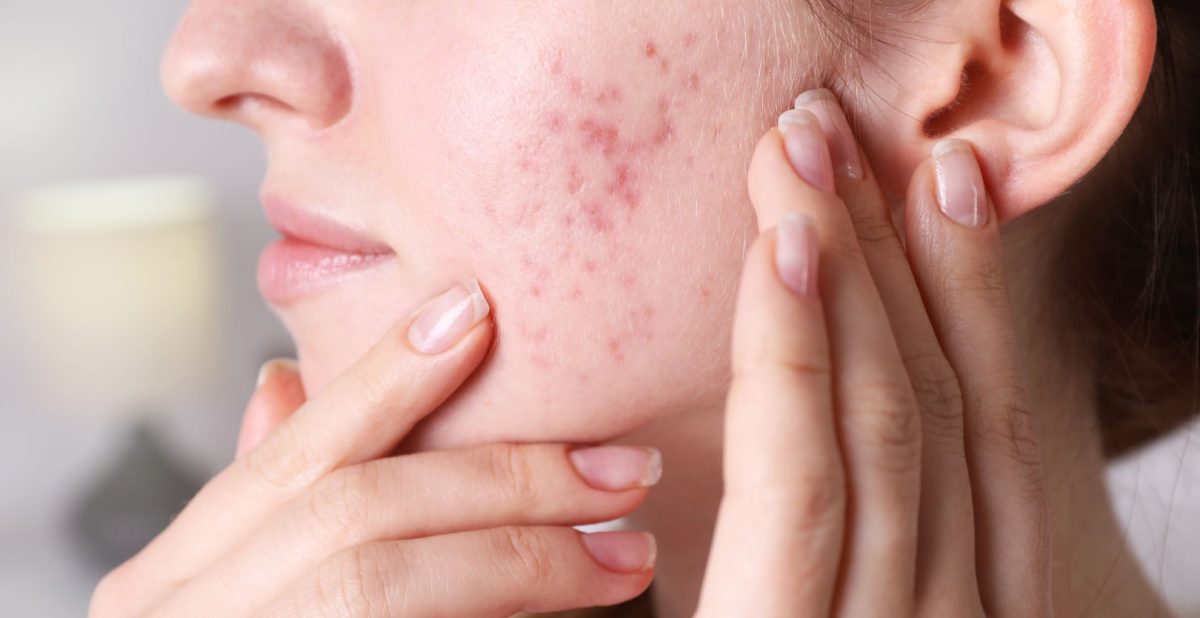
Hormones regulate many bodily functions and affect skin condition. Patients may experience skin changes during different life stages due to these chemical messengers. Understanding these biological processes aids in managing symptoms effectively, and seeking medical advice provides information on treatment options. Here is more information on dermatologists and how they help with skin changes:
What Is a Dermatologist?
A dermatologist is a medical doctor who specializes in conditions affecting the skin, hair, and nails. These physicians diagnose a wide range of conditions, and they treat patients of all ages with varied medical histories. Board-certified dermatologists use advanced diagnostic tools during examinations, and they interpret laboratory results to formulate accurate diagnoses. Patients benefit from consulting these specialists for specific medical concerns.
What Services Do They Offer?
Dermatologists provide comprehensive medical evaluations, and they develop personalized treatment plans for their patients. They perform clinical procedures such as skin biopsies to diagnose abnormalities, and they prescribe topical or oral medications for symptom management. Professionals in this field also offer treatments for chronic conditions such as eczema and psoriasis. Patients may receive guidance on daily skincare routines to help them maintain their skin health at home.
What Are Skin Changes?
Skin changes refer to any alterations in the texture, color, or overall health of the epidermal layers. Patients may notice increased sebum production or unexpected dryness and flaking. Hyperpigmentation presents as darkened patches on the face, often resulting from melanin overproduction. These physiological alterations manifest differently across demographics, and they require accurate clinical observation.
Structural shifts in the dermal matrix reduce skin elasticity, leading to the formation of fine lines and wrinkles. Sebaceous gland overactivity causes localized inflammation. This may result in painful cystic acne. Dermatologists document these visible signs during appointments, and they categorize symptom severity.
How Do Hormones Cause Them?
Hormones act as chemical messengers in the body, and they bind to specific receptors within the skin cells. Androgens typically stimulate the sebaceous glands, leading to increased oil production and subsequent acne breakouts. Estrogen levels naturally decline during menopause, which reduces collagen production and skin elasticity. Thyroid imbalances may also disrupt skin hydration levels.
The endocrine system regulates skin cell turnover, and hormonal spikes disrupt this delicate balance. Elevated cortisol levels trigger inflammatory pathways in the skin. Insulin resistance increases the production of insulin-like growth factors, which promote excessive epidermal cell proliferation. The resulting cellular buildup clogs hair follicles, triggering acne.
How Is Professional Guidance Beneficial?
Clinical expertise provides patients with accurate diagnoses, and it helps prevent the worsening of existing skin conditions. Dermatologists evaluate underlying hormonal triggers and distinguish between temporary flare-ups and chronic medical issues. Prescription therapies offer targeted relief for severe symptoms. Regular medical monitoring tracks the efficacy of the prescribed treatments, enabling timely adjustments to the care plan.
Physicians may educate patients about environmental triggers, and they provide evidence-based strategies for long-term symptom management. Early intervention helps minimize the risk of permanent scarring, potentially improving the patient’s overall prognosis. Specialists support daily skin care and maintenance.
Schedule a Consultation Today
Addressing hormonal skin changes requires a structured medical approach. Patients receive tailored treatment strategies during clinical evaluations, and they may learn to manage their symptoms effectively over time. Medical professionals use evidence-based therapies to restore skin health and provide ongoing support throughout the treatment process. Contact a local dermatology clinic to schedule an initial consultation.
