

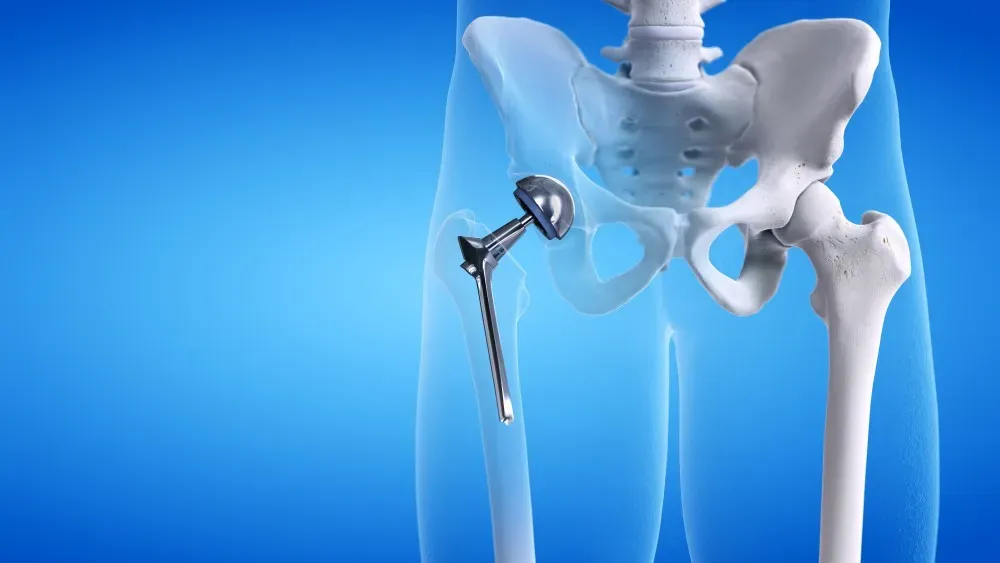
Hip replacement surgery effectively removes damaged bone and severely worn cartilage from your painful body. Orthopedic doctors insert a specialized artificial joint, and recovering patients begin the physical recovery process shortly afterward. Because medical technology advances rapidly, orthopedic surgeons use completely new surgical methods today. Here are some recent trends in hip replacement technology:
Less Invasive Techniques
Traditional hip replacement surgery requires large body cuts, but newer medical methods use very tiny skin openings. When doctors use these small surgical incisions, they deliberately cut less muscle tissue overall. These smaller physical wounds heal quite differently for each medical patient. The surgical team monitors the site closely, and the healing patient rests in a hospital bed.
While some physical discomfort remains after surgery, patients experience distinct healing timelines during their recovery. Specialized medical instruments reach the damaged hip joint easily during the surgical operation. The trained surgeon repairs the broken joint, and the medical team closes the wound securely. Since local tissue damage stays minimal, the human body recovers at its own natural pace.
Total or Partial Options
Qualified surgeons replace either part or all of the heavily damaged hip joint. A total replacement handles the entire joint, but a partial procedure fixes only the broken ball. Because individual patients have different bone damage levels, doctors select very specific surgical implants. Medical care teams offer several different joint replacement choices for adult patients today:
- Total hip replacement systems for patients
- Partial joint replacement of metallic parts
- Complex revision surgery with metallic components
Robotic-assisted Surgery
Advanced computer technology precisely guides the operating surgeon during the entire medical replacement procedure. Before the actual surgical procedure begins, a smart computer creates a detailed three-dimensional bone map. This map shows the joint structure clearly, and the medical robot follows this exact path. High-precision tools help the attentive doctor during the initial bone preparation phase.
The surgeon completely controls the robotic arm, and the system strictly limits any unnecessary movements. This highly precise tool smoothly guides the artificial metal parts into their proper anatomical place. If the patient’s bone shape varies slightly, the smart robot adjusts the cutting angle immediately. Medical staff observe the display monitor, and the lead doctor typically performs the final safety checks.
As orthopedic doctors closely review the digital data, they plan the exact implant size accurately. The complex software provides real-time feedback, and the doctor makes necessary physical adjustments quickly. Robotic joint surgery represents a modern medical option for lasting joint pain relief. While the advanced machine assists the process, the surgeon makes all final medical decisions.
Various Incision Site Choices
The attending doctor selects a specific surgical approach carefully, and they make the necessary skin incision. While older traditional methods access the painful hip from behind, new ones enter from the front. Here are the different incision approaches:
- Anterior approach: This involves an incision at the front of the hip. This modern technique avoids cutting major muscles.
- Posterior approach: This involves an incision at the back of the hip. This is a more traditional method and is still used.
Schedule Hip Replacement Surgery
Since you now know the current surgical options, you must discuss them with a doctor. Call a local orthopedic clinic to book a thorough medical consultation visit today. They can evaluate your current joint health carefully, and the staff will schedule your surgical appointment. After you complete the initial physical exam, they can develop a personalized medical treatment plan.
