

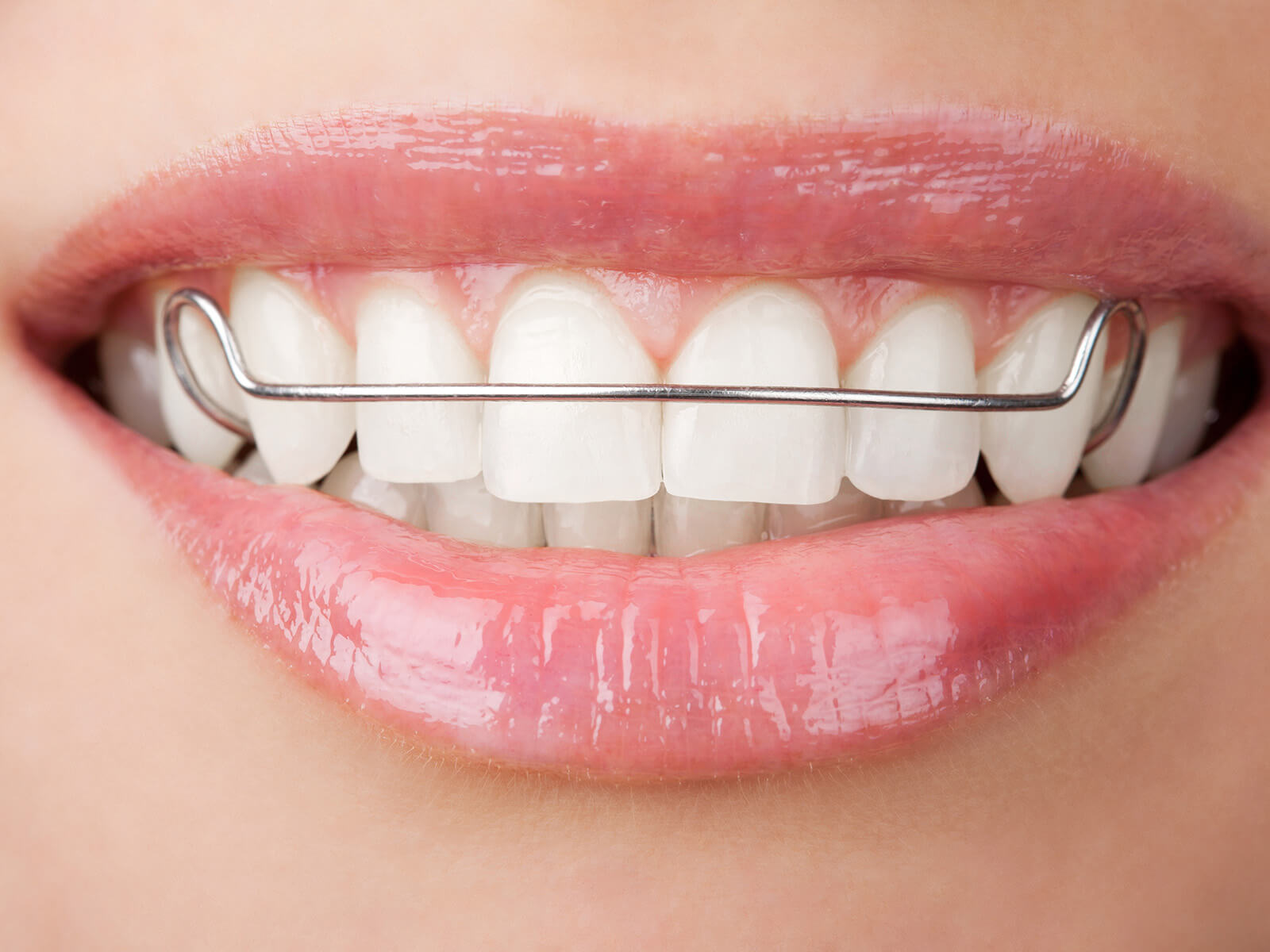
Completing orthodontic treatment is a major step toward achieving a healthy and aligned smile, but maintaining those results often requires ongoing care. Retainers play a major role in helping teeth stay in their new positions as the mouth adjusts after braces or aligners. Without proper follow-through, natural shifting can affect the outcome over time. Here’s a closer look at why retainers are beneficial after completing orthodontic treatment:
Stable Tooth Positioning
After orthodontic treatment, retainers play a significant role in maintaining the results. Here are key points about these devices and how they maintain tooth positions:
- Retention Phase: Begins as soon as braces are removed and is key to making sure teeth stay in their new positions.
- Purpose of Retainers: They prevent teeth from shifting back to their original positions, stabilizing their alignment over time.
- Consistent Use: Regular and consistent use of these devices is necessary to maintain the desired alignment achieved through orthodontic treatment.
- Risks of Non-Use: Discontinuing retainer use too early increases the likelihood of relapse, in which teeth may shift back to their original positions.
Understanding and following these guidelines can help you promote the long-term success of your orthodontic treatment.
Durable Treatment Results
Orthodontic treatment takes time and effort; people wear braces for months. Not wearing your retainer can undo all that work. Retainers protect your straight teeth and help keep your smile. Teeth can shift slowly; small changes add up, and you may discover your teeth are crooked again. Wearing your retainer is a key way to protect your effort. Even after the main treatment ends, the retention phase is still very helpful. Retainers lower the risk of your teeth moving out of place.
Stronger Bite Alignment
A good bite is key to using your teeth well every day. When your teeth line up, it’s easier to chew, smile, and talk. These devices help keep upper and lower teeth working together. If your bite changes, you may feel pain in your jaw or have trouble chewing. Retainers help prevent these problems by holding your teeth in place; this helps keep your jaw comfortable. They also help with speech; the tongue needs to press against stable teeth when you talk. If teeth move, you may notice a small lisp or sound change.
Ongoing Oral Care
Retention is a major aspect of maintaining the results of orthodontic treatment. Incorporating retainers into your daily routine can help your teeth stay aligned. Here are some key points to evaluate:
- Wear your retainers as directed: follow the specific instructions provided by your orthodontist.
- Clean your retainers regularly: Keeping them clean prevents bacterial buildup and plaque, supporting both your oral hygiene and the device’s longevity.
- Store retainers properly: When not in use, keep them in their designated case to prevent damage or contamination.
- Schedule follow-up appointments: Regular check-ups with your orthodontist allow for adjustments and make sure that your devices are still functioning correctly.
- Monitor for wear and tear: Retainers may show signs of damage or wear; inform your orthodontist to determine whether replacement is necessary to maintain their effectiveness.
Making these practices part of your regular oral care routine can protect your teeth alignment and long-term oral health.
Choose Retainers for Lasting Support
Retainers help prevent your teeth from shifting after treatment. They hold your teeth in place, and they also support strong bite alignment. While braces get your teeth straight, retainers keep them that way for years. Contact a qualified dentist near you to schedule your appointment for retainers today.
