

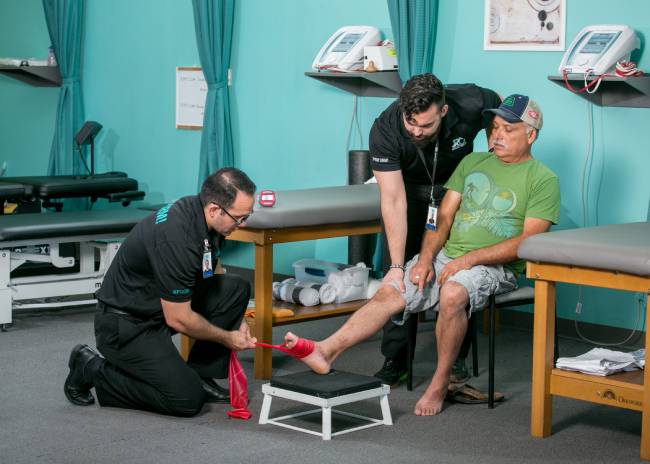
Physical therapy addresses mobility issues, and it supports recovery after injuries. Therapists assess your unique needs while providing targeted solutions. They aim to improve function and quality of life.
Injuries Managed Through Care
Physical therapy can address a wide range of musculoskeletal sports injuries using tailored treatments and exercises. If you have sprains, strains, or ligament tears, your therapist will develop an individualized exercise plan. Neck pain and back pain can occur in athletes, and therapists design routines to stabilize and strengthen affected muscles. Manual traction and joint mobilization support joint alignment after injuries. Therapists may use cold laser therapy in rehab. Massage also improves circulation, and it relaxes muscles. Each plan is tailored to your needs. Therapy addresses instability in ankles or knees using balance or proprioceptive exercises. These approaches are combined based on your situation, with a focus on your return to preferred activities and routines. Practitioners treat knee ligament injuries, such as ACL tears. Carpal tunnel syndrome causes discomfort, but therapy offers relief.
Diseases Targeted By Therapists
Physiotherapy helps you manage chronic medical conditions using care plans that address your symptoms and support daily functioning. Multiple sclerosis affects mobility. Therapists use balance training, and they may use manual therapy as part of their routine. For Parkinson’s disease, therapy includes functional training and targeted stretching to improve coordination and flexibility. Because cystic fibrosis impacts the lungs, therapy involves aerobic exercises, chest mobility techniques, and guided breathing exercises. Therapists create gentle strengthening plans, and they may suggest supportive equipment for muscular dystrophy. They also address individual needs.
For chronic obstructive pulmonary disease, there are options. Treatment includes supervised exercises, breathing techniques, and functional training. Those with neurological conditions work on muscle activation and learn new, safe ways to accomplish daily movements. Therapists assess your needs at each stage, and they adjust interventions. Education supports your understanding of energy conservation, joint protection, and ways to maintain your daily activities. This approach enables you to participate in your care, promotes self-management, and helps you develop routines for independence. Cerebral palsy requires ongoing functional training.
Treatments Provided For Recovery
Therapists use a range of treatments to support your recovery. Massage therapy relaxes muscles, and it manages soreness after periods of exercise or injury. Manual traction helps decompress joints by gently stretching them, relieving pressure, and supporting mobility. When pain limits your activity, practitioners may use cold laser therapy to support soft-tissue recovery. These stretching routines support joint range of motion, and they address imbalances. Strength training can use resistance bands, free weights, or body weight to help build muscle strength and reduce injury risk. For balance or coordination concerns, gait and functional training are included to improve movement safety. Vestibular rehabilitation supports you as you recover from concussions or experience dizziness. Other techniques include paraffin wax baths for hand and wrist conditions, which provide gentle heat and support mobility. Acupuncture sessions are included in your care plan, and they are based on your specific needs. Shock wave therapy is sometimes used for tendon concerns, and light therapy is recommended in some approaches.
Start Physical Therapy Today
Physical therapy offers practical solutions for your movement issues. It addresses complex conditions, and it strengthens your body. When you need assistance, practitioners develop clear plans. You can regain control of your musculoskeletal health. Take the first step toward better physical function. Therapy requires effort, but results might improve your mobility. Since early treatment prevents further injury, you should act now and prioritize your health.
