

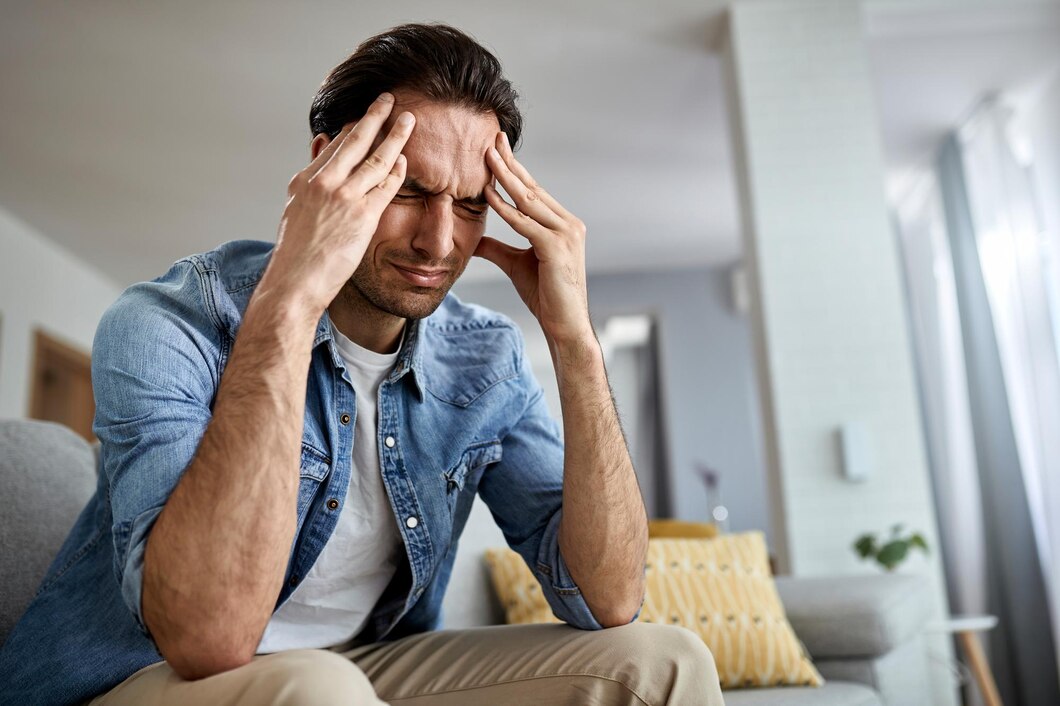
Stress and anxiety are common experiences in modern life. While occasional stress is normal, long-term stress and anxiety can affect both mental and physical health.
Understanding the causes and symptoms of stress and anxiety can help individuals recognize when these conditions are becoming harmful.
With the right strategies, it is possible to manage stress effectively and maintain emotional balance.
What Is Stress?
Stress is the body’s natural response to challenges or demands. When people face difficult situations, the body releases hormones that prepare them to react.
This response is often called the “fight-or-flight” reaction. It increases heart rate, alertness, and energy levels.
Short-term stress can be helpful in certain situations, such as meeting deadlines or handling emergencies. However, chronic stress can negatively affect health.
What Is Anxiety?
Anxiety is a feeling of worry, nervousness, or fear about future events. It often occurs when individuals feel uncertain or overwhelmed.
While occasional anxiety is normal, persistent anxiety may interfere with daily activities.
Anxiety can affect concentration, sleep, and physical comfort.
Common Causes of Stress and Anxiety
Several factors can contribute to stress and anxiety.
Work and Financial Pressure
Job responsibilities, deadlines, and financial concerns are common sources of stress.
Life Changes
Major life events such as moving, starting a new job, or changes in relationships can trigger anxiety.
Health Concerns
Personal health issues or worries about family members’ health can increase emotional stress.
Lack of Work-Life Balance
When individuals struggle to balance responsibilities with relaxation and personal time, stress levels can rise.
Symptoms of Stress and Anxiety
Stress and anxiety can cause both emotional and physical symptoms.
Emotional Symptoms
Constant worry
Irritability
Difficulty concentrating
Feeling overwhelmed
Physical Symptoms
Headaches
Muscle tension
Fatigue
Sleep problems
Rapid heartbeat
If these symptoms continue for an extended period, they may affect overall health and daily functioning.
Healthy Ways to Manage Stress
Managing stress involves developing healthy coping strategies.
Time Management
Organizing tasks and setting realistic goals can reduce feelings of overwhelm.
Breaking large tasks into smaller steps can make responsibilities more manageable.
Physical Activity
Exercise helps reduce stress hormones and promotes relaxation.
Activities such as walking, yoga, or cycling can improve mood and reduce anxiety.
Relaxation Techniques
Meditation, breathing exercises, and mindfulness practices help calm the mind.
Even a few minutes of deep breathing can help reduce tension.
Social Support
Talking to trusted friends or family members can help relieve emotional pressure.
Sharing concerns often provides new perspectives and solutions.
Building Long-Term Emotional Resilience
Resilience refers to the ability to adapt to stress and recover from challenges.
Developing resilience involves maintaining healthy habits, staying connected with others, and practicing positive thinking.
Focusing on solutions rather than problems can help individuals navigate stressful situations more effectively.
When to Seek Professional Help
If stress or anxiety becomes overwhelming and begins to affect daily life, professional support may be necessary.
Mental health professionals can provide guidance, coping strategies, and treatment options.
Early intervention can help prevent stress and anxiety from becoming more severe.
Conclusion
Stress and anxiety are natural responses to life’s challenges, but they should not be ignored when they become persistent.
Understanding their causes and symptoms allows individuals to take proactive steps toward managing emotional well-being.
Healthy lifestyle habits, strong social support, and stress management techniques can help individuals maintain balance and resilience in daily life.
FAQ: Stress and Anxiety
What is the difference between stress and anxiety?
Stress is usually related to external pressures, while anxiety often involves persistent worry about future events.
Can stress affect physical health?
Yes. Chronic stress can lead to headaches, sleep problems, and other physical symptoms.
What are simple ways to reduce stress?
Exercise, deep breathing, time management, and social support are effective stress management strategies.
Is anxiety always harmful?
Occasional anxiety is normal, but persistent anxiety that interferes with daily life may require professional help.
When should someone seek help for anxiety?
If anxiety becomes overwhelming or affects work, relationships, or daily activities, professional guidance is recommended.
