

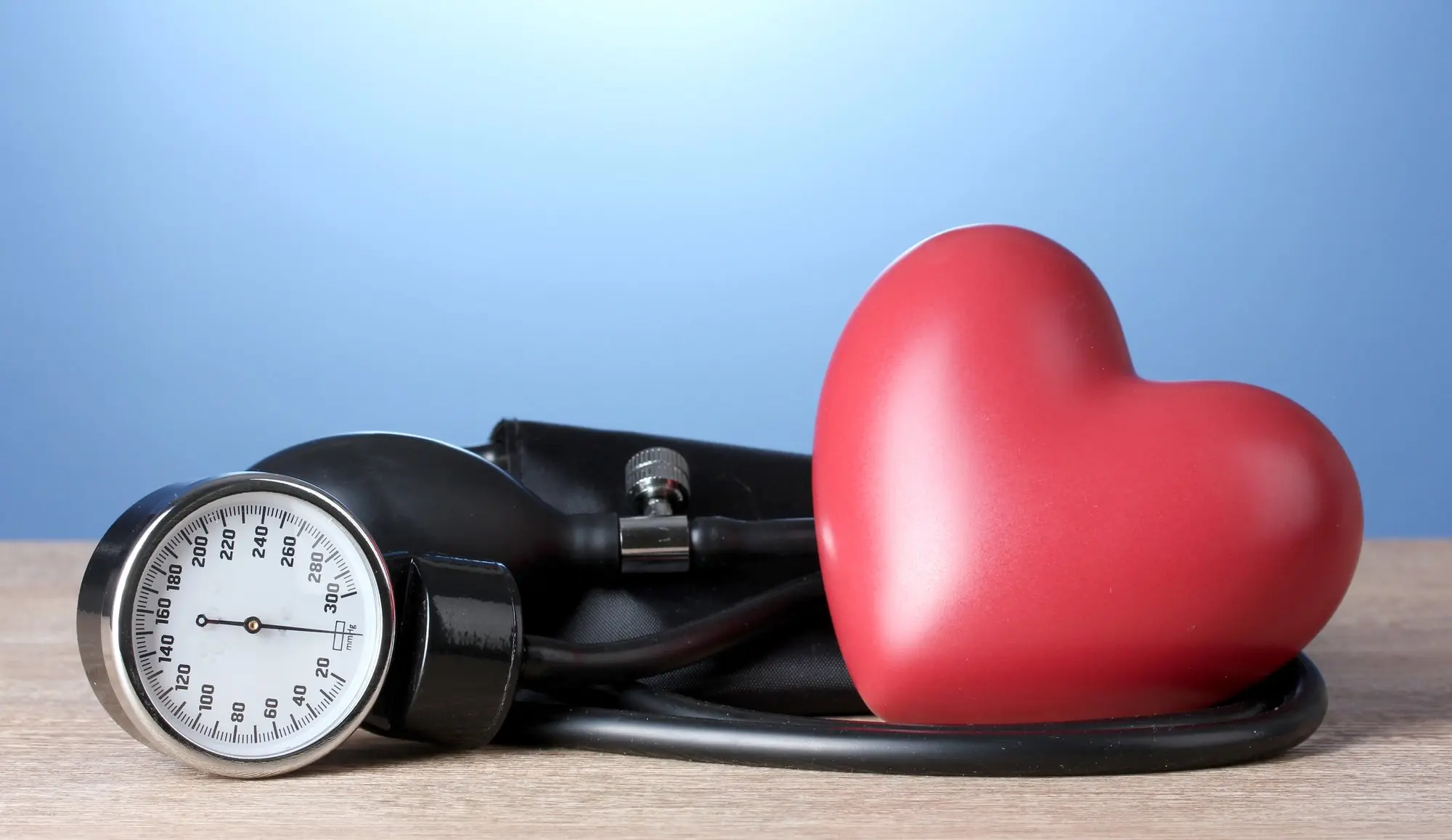
High blood pressure, also known as hypertension, is one of the most common health conditions worldwide. Despite being widespread, many people do not realize they have it because it often develops without noticeable symptoms.
Over time, untreated high blood pressure can lead to serious complications, particularly affecting the heart and blood vessels.
What Is High Blood Pressure?
Blood pressure measures the force of blood pushing against the walls of arteries. When this pressure remains consistently high, it can damage the blood vessels and strain the heart.
A normal blood pressure reading is typically around 120/80 mmHg. Readings consistently above 130/80 mmHg may indicate hypertension.
How High Blood Pressure Affects the Heart
When blood pressure is high, the heart must work harder to pump blood throughout the body.
This extra effort can cause the heart muscle to thicken over time. Eventually, the heart may become less efficient at pumping blood.
High blood pressure can also damage arteries, making them more prone to plaque buildup. This increases the risk of coronary artery disease and heart attacks.
Common Causes of Hypertension
Several factors can contribute to high blood pressure. These include poor diet, lack of physical activity, excessive salt intake, and obesity.
Genetics also play a role. People with a family history of hypertension may be more likely to develop the condition.
Other contributing factors include smoking, excessive alcohol consumption, and chronic stress.
Symptoms to Watch For
In many cases, high blood pressure does not cause obvious symptoms. This is why it is often called the “silent killer.”
However, some people may experience headaches, dizziness, or nosebleeds when blood pressure becomes very high.
Because symptoms are unreliable, regular blood pressure checks are essential.
Preventing High Blood Pressure
Lifestyle changes can significantly reduce the risk of hypertension.
A heart-healthy diet rich in fruits, vegetables, and whole grains can help maintain healthy blood pressure levels.
Reducing sodium intake is particularly important. Experts recommend limiting sodium to less than 2,300 milligrams per day.
Regular physical activity also plays a major role. Exercise improves circulation and helps maintain a healthy weight.
Treatment Options
When lifestyle changes are not enough, doctors may prescribe medications to control blood pressure.
These medications help relax blood vessels, reduce fluid buildup, or slow the heart rate.
It is important for patients to take medications exactly as prescribed and attend follow-up appointments.
Conclusion
High blood pressure is a serious condition that can lead to heart disease if left untreated. The good news is that it can often be managed with healthy lifestyle choices and proper medical care.
Regular monitoring, balanced nutrition, and physical activity are key steps in protecting long-term heart health.
