

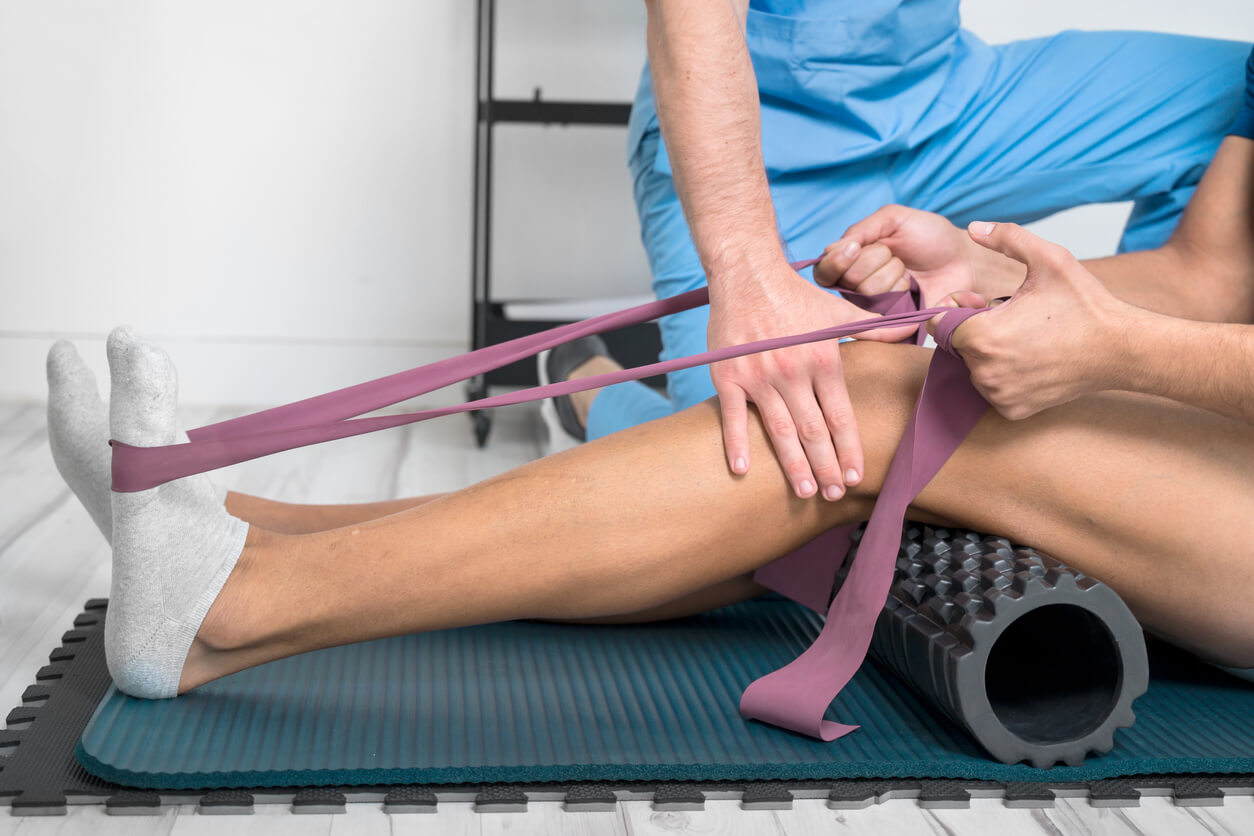
Youth athletes must complete sports physicals before participating in athletic activities. These assessments check for health conditions that could affect participation; they identify risk factors for injuries. Healthcare providers conduct various evaluations, including measuring vital signs, assessing the musculoskeletal system, and reviewing medical history, which helps detect issues early. When parents schedule a sports physical, the provider examines the child for medical concerns; any findings guide recommendations for safe involvement in sports.
Sports Physicals
These comprehensive health evaluations, known as sports physicals, take approximately forty-five to sixty minutes to complete. The provider reviews medical records and asks specific questions about overall health and lifestyle habits. While the provider collects this information, the youth answers questions about diet and exercise; the provider documents any findings relevant to safe sports participation.
The healthcare provider asks about the use of drugs, tobacco, or alcohol. After the provider completes the medical history review, the provider conducts a physical examination; this examination includes a detailed neurological evaluation. The medical provider tests reflexes and evaluates vision and hearing capacities. The professional listens carefully to the heart and lungs; they take vital signs such as heart rate and blood pressure. When the provider completes these initial steps, they palpate the abdomen to check organ position; they may order laboratory testing if indicated.
The lab testing may include bloodwork and urinalysis. These tests screen for underlying medical issues, and the laboratory results provide information for the provider. Because the screening evaluates overall health, the lab tests complete the initial physical examination process; the provider uses the findings to guide recommendations for sports participation.
Post-Exam Results
The provider reviews all collected data to assess the youth’s health status. The medical provider completes the sports physical form; the youth receives documentation for athletic participation. After the evaluation is finished, the provider finalizes the paperwork; parents can submit the completed form to the athletic organization.
Certain medical conditions can affect athletic participation. The provider evaluates these specific risks; they document findings for the youth’s medical record. If the provider identifies any concerns, they discuss appropriate recommendations with the youth and parents; these recommendations guide safe participation in sports activities.
Exam Frequency
Children who participate in physically strenuous activities need a sports physical once a year. This annual schedule allows providers to maintain up-to-date health records; it helps track any medical changes. Although yearly visits meet the needs of most youth, additional checkups may be scheduled if a child has a chronic health condition, and the provider determines the appropriate frequency.
The provider uses the results from the sports physical to complete the required documentation for athletic participation. These results include findings from the medical history, physical examination, and any laboratory tests. After reviewing all collected information, the provider notes any considerations for ongoing monitoring and documents the youth’s readiness for the upcoming sports season. This documentation allows parents and athletic organizations to follow provider recommendations as needed, and it ensures the sports program has accurate health records on file.
Find a Clinic
Routine checkups occur before the start of a new athletic season. These examinations review medical history and assess current health, and they document findings for the provider. Because these evaluations include a physical examination and any necessary laboratory testing, they help the provider identify underlying medical conditions, and they support informed decisions about participation in sports activities. Find a clinic to get a sports physical today.
