

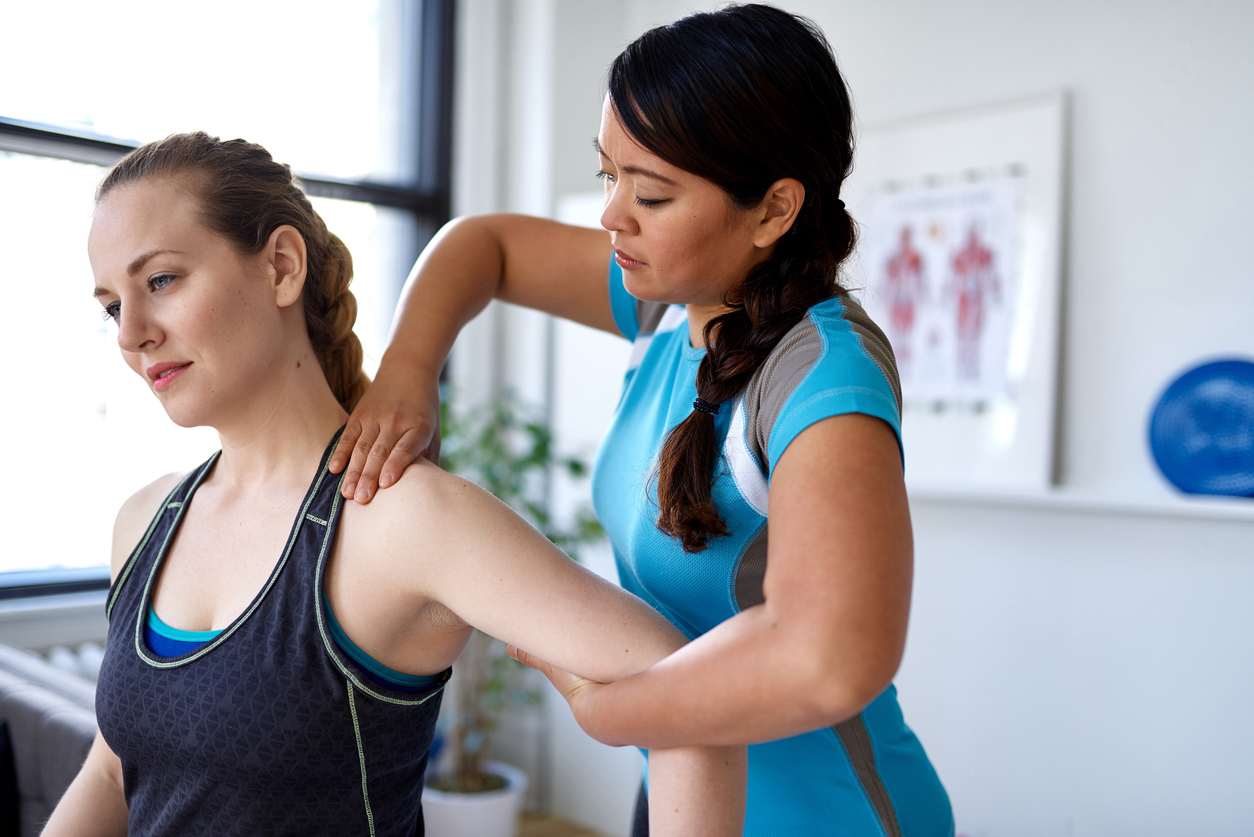
An orthopedic surgeon treats musculoskeletal injuries in athletes of all ages. They complete specialized fellowship training, and they apply this education directly to sports medicine. When athletes sustain sudden injuries on the field, these physicians evaluate the physical damage, and they coordinate comprehensive recovery plans because active individuals require specific medical interventions. Sports medicine requires a deep understanding of human anatomy. Medical professionals use advanced diagnostic tools to locate damaged tissues, and they develop individualized treatment pathways. As active individuals push their bodies to the limit, joint wear and tear often occurs, and surgeons must intervene before the damage becomes permanent.
Diagnose and Treat Injuries
Physicians diagnose a wide variety of musculoskeletal conditions. Overuse causes repetitive microtrauma in joints, and this constant strain weakens ligaments over time. When overhead-throwing athletes experience shoulder pain, doctors identify superior labrum tears, and they use magnetic resonance imaging to confirm the diagnosis because soft tissue damage is not always visible through basic examination. Knee injuries occur frequently during non-contact movements. Anterior cruciate ligament tears produce significant swelling, and meniscal injuries create mechanical catching sensations inside the joint. If ultrasound imaging reveals nerve compression in the wrist, an orthopedic surgeon diagnoses carpal tunnel syndrome and outlines the recovery process. Diagnostic precision dictates the treatment trajectory. Doctors perform physical examinations and review imaging scans to identify tissue defects.
Provide Surgical and Non-Surgical Treatments
Medical teams offer both surgical and non-surgical treatment options. Doctors treat many conditions with conservative management, and this approach includes rest, physical therapy, and anti-inflammatory medications. While conservative measures heal many minor sprains, severe joint instability requires surgical repair, and orthopedic specialists perform arthroscopic procedures so athletes regain function. Cartilage restoration procedures address deep tissue defects. Surgeons reconstruct torn ligaments using specialized techniques, or they replace severely arthritic joints with artificial components. After a patient undergoes a joint replacement, medical staff monitor rehabilitation progress and physical therapists guide exercises to prevent joint stiffness. Physicians repair separated shoulders in the operating room and use advanced technology to achieve positive outcomes.
Collaborate with Sports Teams
An orthopedic surgeon can act as a team with other physicians. They attend sporting events to provide immediate on-field care, and they visit training rooms to monitor recovering players. When team physicians communicate with coaches about recovery timelines, they adjust activity levels appropriately, and athletes avoid returning to play too early because premature participation increases injury risk. Doctors analyze pitching mechanics to establish safe throw counts and implement jump-training programs to reduce knee ligament tears. When trainers teach proper landing techniques, athletes experience fewer lower extremity injuries, and teams maintain healthier rosters. Medical personnel design sport-specific neuromuscular training routines and emphasize core strength to optimize body mechanics.
Meet with an Orthopedic Surgeon
Sports medicine relies on orthopedic expertise. Surgeons restore function to damaged joints, and they help patients return to physical activity. As medical technology advances, surgeons utilize new tools to repair cartilage, and they refine operative techniques so patients recover more efficiently because improved methods reduce long-term complications. Orthopedic professionals deliver comprehensive musculoskeletal care. Doctors address traumatic injuries and guide long-term rehabilitation, and they customize treatment plans for each patient. Physicians protect the structural integrity of the human body, and they enable consistent movement. Meet with an orthopedic surgeon to find relief.
