

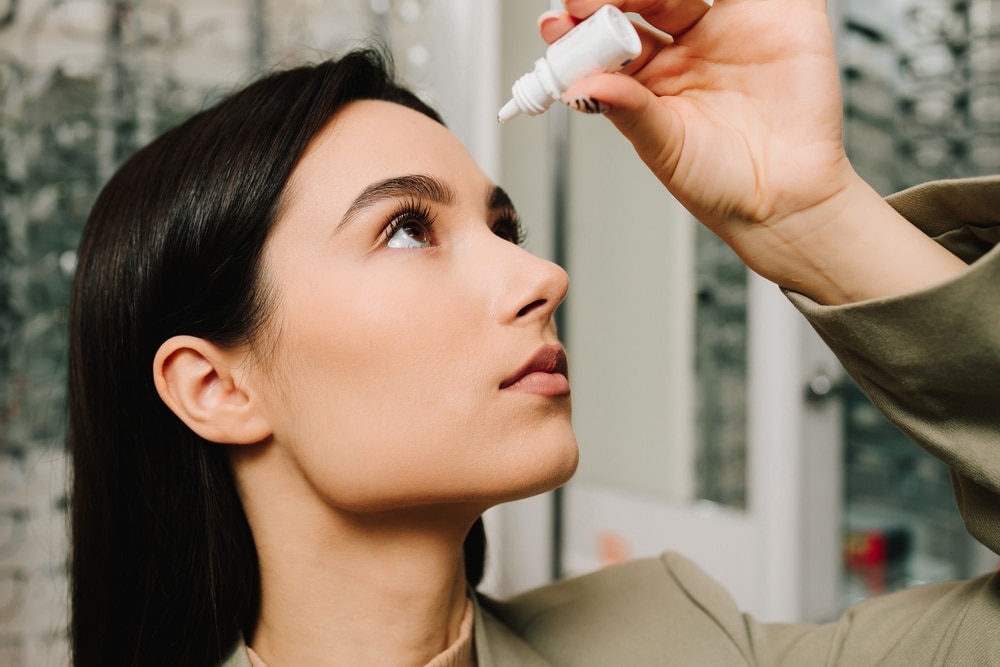
Healthy eyes rely on a consistent layer of tears to maintain lubrication and clear vision. When this tear film experiences disruption, individuals often face uncomfortable symptoms ranging from a gritty sensation to blurry vision. Understanding the mechanics of tear production can help individuals make informed decisions regarding their ocular health and manage the symptoms of dry eyes.
What Causes Dry Eye?
The surface of the eye requires a specific mixture, consisting of water, oils, and mucus, to remain smooth. Dry eye occurs when the tear glands underproduce these fluids or when the existing tears evaporate too rapidly. This rapid evaporation typically stems from dysfunction in the meibomian glands, which are responsible for secreting the necessary oils into the tear film.
Multiple variables contribute to diminished tear quality. Older adults are particularly susceptible, and extended periods spent looking at digital screens can leave the eyes exposed and dry. Systemic conditions, including autoimmune disorders or thyroid diseases, frequently disrupt standard tear output.
How Are They Managed?
Individuals can adopt several daily habits to mitigate discomfort and support better tear retention. Modifying the immediate environment is a highly effective first step. Adding a humidifier to bedrooms or office spaces introduces moisture into the air. Directing fans and air conditioning vents away from the face also limits unnecessary exposure to moving air. Protecting the eyes from outdoor elements yields significant benefits. Wearing wraparound sunglasses shields the surface of the eyes from harsh winds and airborne allergens. Dietary adjustments also support overall ocular function. Incorporating omega-3 fatty acids through food or supplements helps provide the necessary support for sufficient, robust tear production.
How Are They Medically Treated?
When daily habits do not provide adequate relief, ophthalmologists can recommend various clinical therapies. Over-the-counter artificial tears offer immediate, temporary lubrication by supplementing the natural tear film. Thicker lubricating ointments applied before sleep may prevent the ocular surface from drying out during the night.
Prescription eye drops can directly stimulate tear generation or reduce inflammation along the eyelid margins. For individuals lacking sufficient tear volume, doctors may suggest punctal occlusion. This procedure involves inserting tiny plugs into the tear ducts. These devices aim to block drainage and keep natural moisture on the eye surface for longer periods.
Specialized contact lenses present another clinical option. Some lenses can vault over the cornea and rest on the white portion of the eye. This aims to correct vision while lubricating the eye’s surface. In specific scenarios involving severe gland blockages, medical devices that apply controlled heat and pressure directly to the eyelids can express trapped oils and restore proper gland function.
Confer With an Ophthalmologist
Addressing ocular dryness promptly prevents potential long-term damage. Since the underlying triggers vary widely among patients, receiving a precise diagnosis dictates the most successful therapy path. An eye care specialist performs specific diagnostic tests and may be able to isolate the exact layer of the tear film experiencing distress. Scheduling a comprehensive evaluation allows a physician to map out a targeted, effective protocol to maintain long-term ocular comfort and preserve clear vision.
