

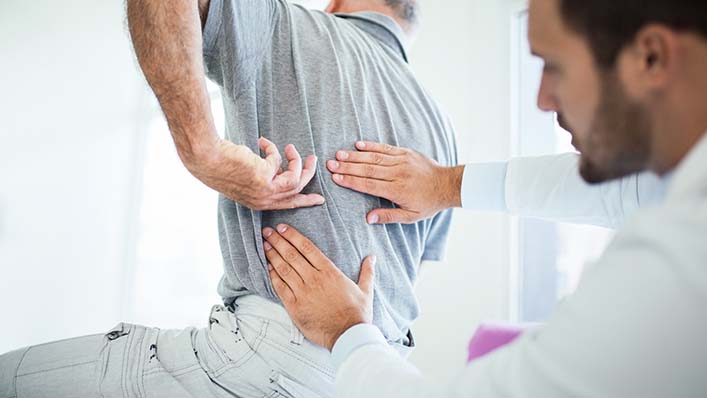
Back pain is a prevalent medical condition affecting patients worldwide. Some individuals benefit from seeking alternative therapies, and holistic approaches offer viable options for recovery. These methods address the entire body rather than isolating specific symptoms. Here is more information on finding back pain relief:
What Is Back Pain?
Back pain manifests as localized or widespread discomfort in the spinal region. Patients experience varying degrees of pain, and it may radiate to other areas of the body. Identifying the specific type of pain helps find effective back pain relief. Medical professionals classify the condition as acute or chronic based on duration.
The location of the discomfort dictates the specific diagnostic classification. Cervical pain affects the upper spine, while lumbar pain affects the lower back. The intensity of these sensations ranges from a dull ache to sharp, piercing nerve pain. Documenting these symptoms provides practitioners with objective data for assessment.
What Causes It?
Several structural and lifestyle factors contribute to spinal discomfort. Muscle strains occur from heavy lifting, and sudden, awkward movements can damage the spinal ligaments. Degenerative conditions like osteoarthritis gradually affect the spinal discs. Poor posture during prolonged sitting also places excessive stress on the musculoskeletal system, triggering pain.
Underlying medical conditions sometimes act as primary triggers for spinal pain. Herniated discs press against nearby nerves, causing discomfort. Skeletal irregularities present from birth may also alter spinal mechanics, so identifying the exact cause requires a thorough physical examination by a healthcare provider.
How Is Daily Life Affected?
Spinal discomfort impacts standard physical capabilities. Patients may struggle with basic movements, and routine tasks become physically demanding. Mobility restrictions have the potential to limit participation in recreational activities or exercise routines. Managing these daily disruptions requires a structured approach to rehabilitation.
What Are Holistic Treatment Options?
Holistic treatment integrates multiple therapies to address spinal health. Practitioners may focus on non-pharmacological interventions, and they design programs tailored to individual functional deficits. Chiropractic adjustment involves manual manipulation of the spine to improve alignment. Nutrition counseling provides dietary guidance to reduce systemic inflammation.
Active rehabilitation plays a fundamental role in the recovery process. Functional exercises strengthen the core musculature, and these movements support the spine’s overall stability. Ergonomic adjustments modify the workspace to promote neutral body positioning. These methods facilitate a gradual return to normal physical activity.
Modifying daily habits further enhances the effectiveness of these therapies. Hydration supports the elasticity of spinal discs, and adequate water intake helps prevent premature tissue degeneration. A multi-faceted regimen may yield sustainable outcomes for spinal conditions, helping patients find lasting relief.
How Is Professional Care Beneficial?
Healthcare providers offer structured assessments to determine appropriate interventions. A clinician evaluates the patient’s medical history, and this data informs the subsequent treatment strategy. Professional supervision helps prevent the execution of harmful movements during rehabilitation. Regular monitoring allows practitioners to modify therapies based on patient progress.
Clinical expertise provides an objective evaluation of complex physical symptoms. Diagnostic imaging provides detailed views of spinal structures, with specialists interpreting the results to pinpoint specific abnormalities. This precise identification limits the use of ineffective treatment protocols, and coordinated care plans also benefit patients with chronic pain.
Find Back Pain Relief Today
Holistic therapies present a systematic approach to treating spinal discomfort. Patients utilize techniques ranging from physical adjustments to dietary modifications, and these methods collectively support musculoskeletal health. Implementing a personalized plan requires coordination with qualified healthcare professionals. Schedule a consultation with a specialist to begin your recovery.
