

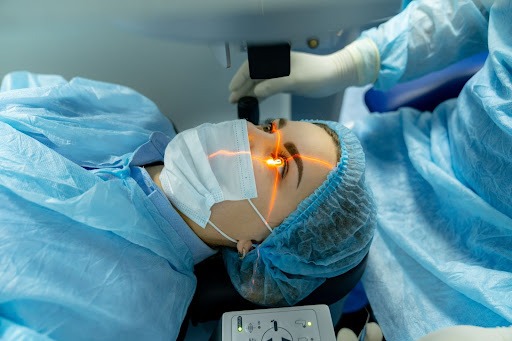
Seeing eye surgeons can be a fundamental step for patients dealing with changes in vision, ongoing eye discomfort, or conditions that may require specialized treatment. The experience often involves more than the procedure itself, including the initial consultation, diagnostic testing, treatment planning, and follow-up care. Here are several key parts of the patient experience with eye surgeons:
When Are Surgeons Needed?
Patients may require the expertise of eye surgeons for various conditions that cannot be effectively managed through non-surgical treatments. Here are some common scenarios where surgical intervention may be necessary:
- Cataracts: When the lens of the eye becomes clouded, affecting visual clarity, surgery is often needed to replace it with an artificial lens.
- Glaucoma: Advanced cases that do not respond to medications or laser treatments may require surgery to reduce intraocular pressure.
- Retinal Detachment: A sight-threatening condition that requires urgent surgical repair to restore and preserve vision.
- Refractive Errors: Procedures such as LASIK may be performed to correct vision impairments, including nearsightedness, farsightedness, and astigmatism.
- Corneal Disorders: Severe damage to the cornea may require a corneal transplant to improve vision and relieve discomfort.
Understanding these circumstances enables patients to anticipate when more advanced interventions may be required.
What Happens During the Visit?
The first appointment with eye surgeons begins with a comprehensive review of medical history. Staff members gather information about past visual issues, and they record current medications. The ophthalmologist uses this background data when developing a diagnostic approach. Accurate records establish a strong medical baseline.
A standard eye exam includes several diagnostic tests. Eye technicians dilate the pupils with special drops; the patient must wait several minutes for the full effect. The doctor examines the retina closely once the pupils have fully dilated; the light from the clinical instruments illuminates the internal eye structures. The physician discusses the diagnostic results at the end of the appointment. They explain the current state of the eye, and they outline potential next steps.
How Are Decisions Guided?
Eye surgeons use a combination of clinical expertise and diagnostic tools to guide treatment decisions effectively. Here are the key concerns involved in developing a tailored care plan:
- Patient History Review: A thorough review of medical and ocular history helps identify underlying conditions or risk factors that may influence treatment options.
- Diagnostic Imaging: Advanced imaging techniques, such as optical coherence tomography (OCT) or ultrasound, provide detailed insights into the structure and health of the eye.
- Visual Acuity Assessments: Standard tests measure visual sharpness and detect potential impairments that may require intervention.
- Risk-Benefit Analysis: Surgeons evaluate the potential outcomes and risks of various treatments to determine the safest and most effective approach for the patient.
Surgeons make sure that treatment plans are evidence-based and personalized to the patient’s needs.
What Happens After Treatment?
The post-operative phase focuses heavily on controlled healing and monitoring. Eye surgeons check the surgical site during follow-up visits, and they verify the healing progress. Patients use specific medicinal drops while their eyes recover from the surgical procedure. Individuals rest their eyes frequently during the first few days.
Clinics provide a detailed schedule for future medical appointments. The staff books the first follow-up visit for the next day, and they schedule more checks for the following weeks. Eye surgeons adjust the recovery plan if they detect any unexpected healing patterns.
Consult Eye Surgeons Today
The journey with an eye specialist follows a clear and organized sequence. Doctors guide individuals from the initial evaluation through the final recovery steps, and they monitor the healing process continuously. Patients can achieve better visual health by seeking specialized medical care. Contact a reputable ophthalmology practice near you to schedule your consultation with eye surgeons today.
