

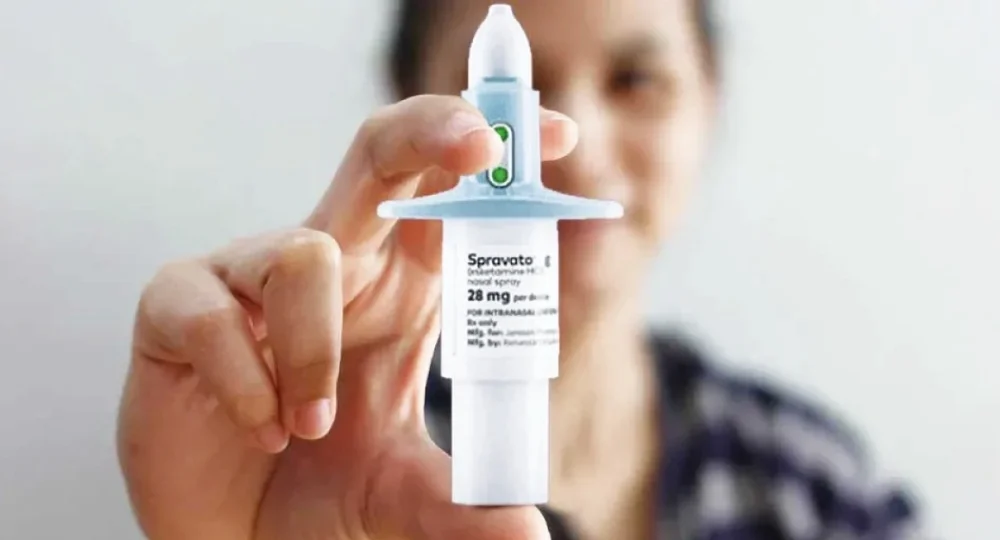
Spravato represents a distinct pharmacological method for current depression care. Researchers actively study this medication, and doctors carefully track its specific clinical effects over time. Because standard medications sometimes fail to produce adequate results, medical professionals explore Spravato.
Development of Spravato
Since clinical trials outline protocols for administering Spravato, you can understand them before treatment. Medical science advances through new studies, and these projects provide safety information as data become available. Researchers examine treatment results. These inform future administrative techniques. Technology supports symptom tracking, and digital tools facilitate the recording of side effects. These tools include:
- Symptom checklists for day-to-day reflection
- Patient-reported outcome measures to share experiences directly
- Digital journals to monitor moods and medication response
- Secure communication portals for feedback between visits
Coordination between research teams and medical staff encourages knowledge sharing, and professional organizations occasionally publish new guidance. These interventions support communication between providers and patients. Since older medications use different mechanisms, Spravato requires separate monitoring. Labs publish their findings, and medical journals distribute this information for review. As new information is produced, regulatory boards review statistics. Prescribing documentation is updated as required.
Combinations for Treatment
Comprehensive treatment plans often include multiple compatible medical interventions. Spravato is used to address physical and biological factors, while cognitive-behavioral therapy focuses on developing practical psychological skills. When you start a new prescription, your provider may recommend cognitive-behavioral therapy and adjust your routine medication management. This combination gives you tools to manage negative thinking while addressing changes in brain chemistry. In some instances, using more than one therapy supports measurable steps.
Doctors evaluate each available tool, and therapies are selected based on documented medical history. Before recommending or combining treatments, providers review prior responses and your current health. This helps match care to your needs. If you use transcranial magnetic stimulation, doctors review the operational data and assess any other ongoing therapies. Careful medication management helps avoid potential drug interactions. Pharmacists check all active prescriptions, and doctors verify current dosages. Because mental health care uses many approaches, teams supervise all active treatments and coordinate care. Multidisciplinary collaboration promotes consistency and supports ongoing treatment progress.
Procedures and Regulations
You use the prescribed nasal spray under supervision, and healthcare staff observe throughout the process. Before each session, clinicians review your baseline health and discuss changes in symptoms or side effects. Staff document blood pressure, and they note any reported physical symptoms or discomfort. Materials such as calming music or soft lighting are sometimes used to help create a comfortable environment. If concerns arise, staff are present to answer questions and provide support. When the session concludes, you arrange transportation home and are advised to rest for the rest of the day. This structured process is designed to support basic safety and comfort needs, especially for those new to this type of treatment.
Schedule Your Assessment
Your healthcare provider can accurately evaluate your specific medical needs today. Review these available options, and your doctor can organize an individualized plan. Medical professionals possess the proper tools to guide your treatment safely. Patients ask direct questions, and clinics provide clear factual answers. If you require more information about Spravato, contact a local mental health clinic today.
