

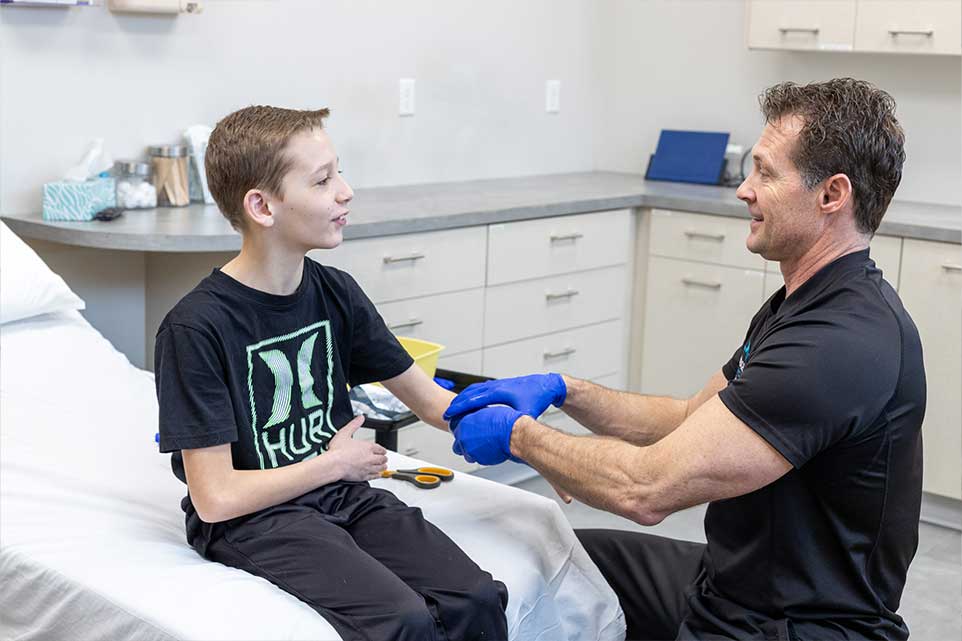
When individuals sustain minor injuries or develop sudden symptoms, securing an immediate appointment with a primary care physician can be difficult. Emergency rooms manage severe, life-threatening conditions, which leaves a gap in available medical services for less severe cases. Urgent care facilities operate to bridge this gap. Patients utilizing these walk-in clinics receive evaluations and treatments without the extended wait times typical of hospital emergency departments. The medical professionals staffing these centers are equipped to diagnose various conditions, administer treatments, and stabilize injuries.
What Is Urgent Care?
Urgent care serves as an outpatient medical resource that is designed for the diagnosis and treatment of acute, non-life-threatening health issues. These clinics typically operate with extended hours, remaining open during evenings and weekends when standard medical offices are closed. This accessibility allows patients to seek medical evaluation promptly after an injury occurs.
The primary distinction between an emergency room and an urgent care clinic lies in the severity of the conditions treated. While emergency departments possess the equipment and surgical staff to manage massive trauma and severe cardiac events, urgent care centers focus on stable patients requiring prompt attention. Patients may utilize walk-in options or utilize online scheduling tools to arrange an appointment.
What Can It Address?
Medical professionals at these clinics diagnose and manage a comprehensive range of acute injuries and illnesses. Patients frequently visit for the evaluation of sprains, minor fractures, lacerations requiring stitches, and mild burns. By visiting a specialized clinic, patients receive targeted treatments such as splinting, wound cleaning, and basic imaging.
Beyond physical injuries, these facilities address various acute medical conditions. Staff members routinely treat respiratory infections, strep throat, and seasonal allergies. Many locations also provide specialized services tailored to specific demographics. Some clinics focus primarily on women’s health, addressing concerns like abnormal bleeding, pelvic pain, urinary tract infections, and yeast infections. They also offer diagnostic testing, including sexually transmitted disease screenings and pregnancy evaluations. The presence of on-site diagnostic equipment expands the capabilities of these medical centers. Clinicians can perform blood tests, urinalysis, and ultrasound imaging to accurately identify the source of a patient’s symptoms.
What Should You Expect?
A visit to a walk-in clinic typically follows a structured process. Upon arrival, the administrative staff will collect necessary demographic information and medical history. A medical provider will then conduct a physical examination and assess the specific injury or symptom presenting that day.
The clinician will review your current symptoms, previous medical conditions, and any medications you currently take. Depending on the findings of the initial exam, the provider may order specific diagnostic tests. These might include laboratory work or imaging studies available within the facility.
Once the provider gathers all relevant clinical data, they will formulate a diagnosis and discuss the recommended treatment plan. Treatments may involve prescription medications, localized care for wounds, or referrals to specialized medical providers. The staff focuses on addressing the immediate physical ailment while providing clear instructions for at-home care.
Visit a Local Clinic
Patients can schedule a follow-up appointment with their primary care physician, as walk-in clinics do not replace the comprehensive, long-term care provided by a regular doctor. If your condition requires ongoing management or surgical intervention, the urgent care provider will likely direct you to a specialist. Being proactive about locating these resources helps patients secure timely medical evaluation for minor injuries.
