

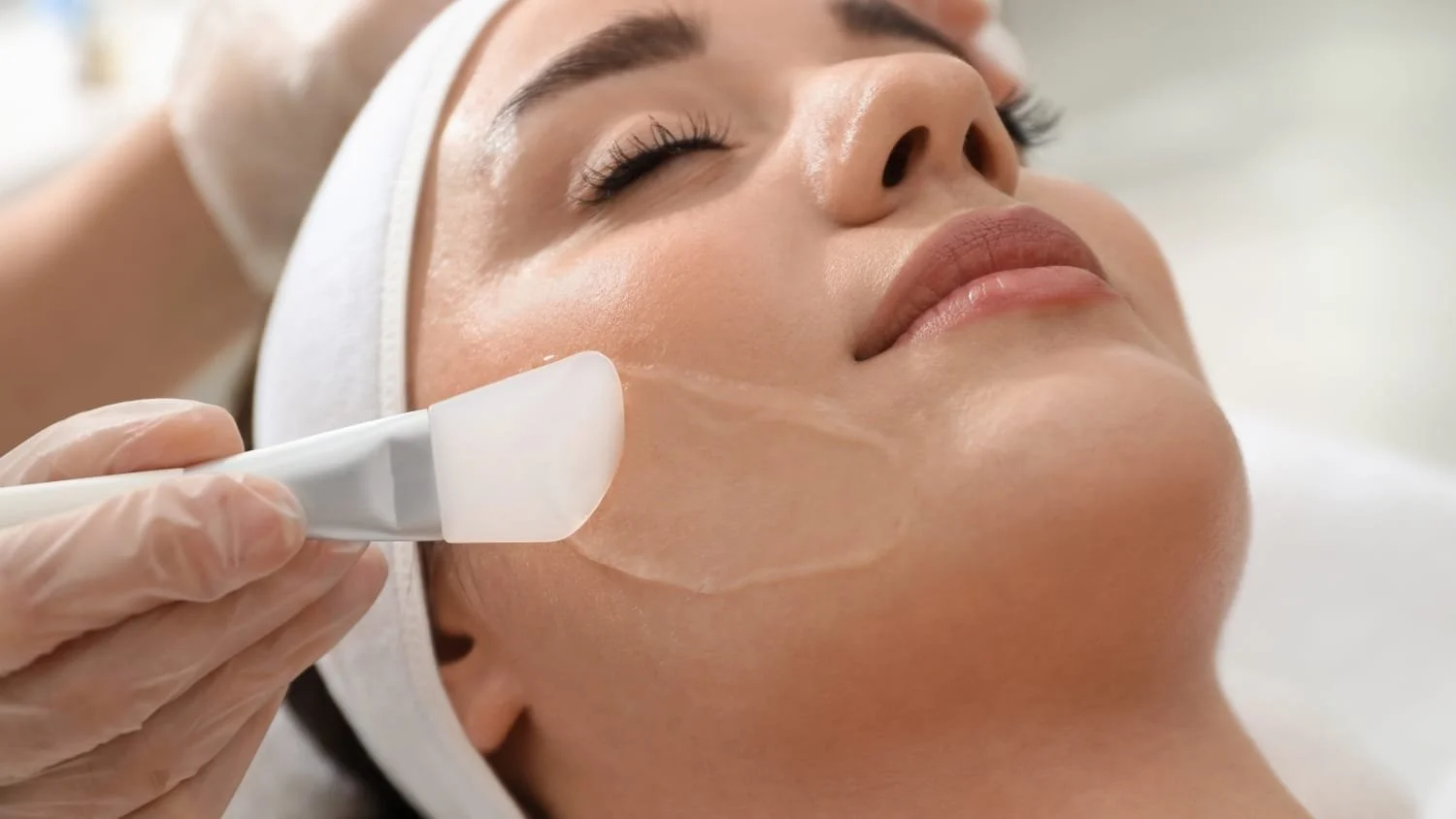
Chemical peels provide a method for resurfacing the top layers of your skin. Because practitioners apply targeted acid solutions to the face, the outer skin layer eventually sheds. This process removes older skin cells, and newer cells replace them over the following weeks. Here is more information on chemical peel options, and how they can benefit specific skin types:
Exfoliation Peels
Exfoliation peels focus on removing dead cells from the skin surface. Whenever skin looks dull, these mild treatments help refresh the overall texture. The mild acids break down cellular bonds, and the dead skin washes away easily.
Lactic acid serves as a popular choice for this gentle exfoliation. Because this ingredient acts gently on the face, dry skin types tolerate it well. You feel a slight tingling sensation, and the provider typically neutralizes the acid shortly after. This approach aims to:
- Improve skin texture and smoothness.
- Enhance natural radiance by removing dull, dead skin cells.
- Prepare the skin to better absorb moisturizers and other products.
- Promote a refreshed and rejuvenated appearance.
Pigment Correction Peels
Pigment correction peels target discoloration on the surface of your skin. Since these solutions contain specific ingredients, they address melanin buildup. The acid penetrates the outer layers, and the targeted dark spots begin to fade.
Dermatologists use these specific peels for sun damage and melasma. While you might see immediate flaking, the full shedding process takes several days. Patients experience mild redness, but the skin gradually returns to its normal color.
Different skin types react uniquely to these pigment-focused treatments. If you have darker skin, the practitioner uses milder acids to prevent post-inflammatory hyperpigmentation. The provider monitors the skin closely, and they adjust the application time accordingly. It’s wise to follow post-treatment care instructions diligently, including avoiding sun exposure and using a high-quality sunscreen to protect the healing skin.
Acne Treatment Peels
Acne treatment peels address clogged pores and active breakouts. While standard treatments work slowly, peels with ingredients like salicylic acid penetrate deep into the hair follicles. The acid dissolves trapped body oil, and the frequency of new breakouts may decrease. A chemical peel for acne is a practical option for maintaining a healthy, radiant complexion with minimal downtime.
These treatments follow a structured application process:
- The provider cleanses the face thoroughly.
- The practitioner applies the acid solution evenly.
- The solution sits for a few minutes.
- The practitioner neutralizes and cleans the skin.
This method targets existing acne, and it also helps prevent future blemishes. It is a straightforward procedure that typically causes minimal discomfort. While results may vary depending on skin type, consistent treatments may lead to clearer, healthier skin over time.
Explore Chemical Peel Treatments
Chemical peels offer diverse options for many unique skin profiles that require different active ingredients. Before you schedule any procedures, a professional consultation helps determine a safe approach. Reach out to a certified dermatologist today, and they will help you choose the right peel for your skin. Schedule an appointment with a dermatology clinic to help make an informed decision about your options.
