

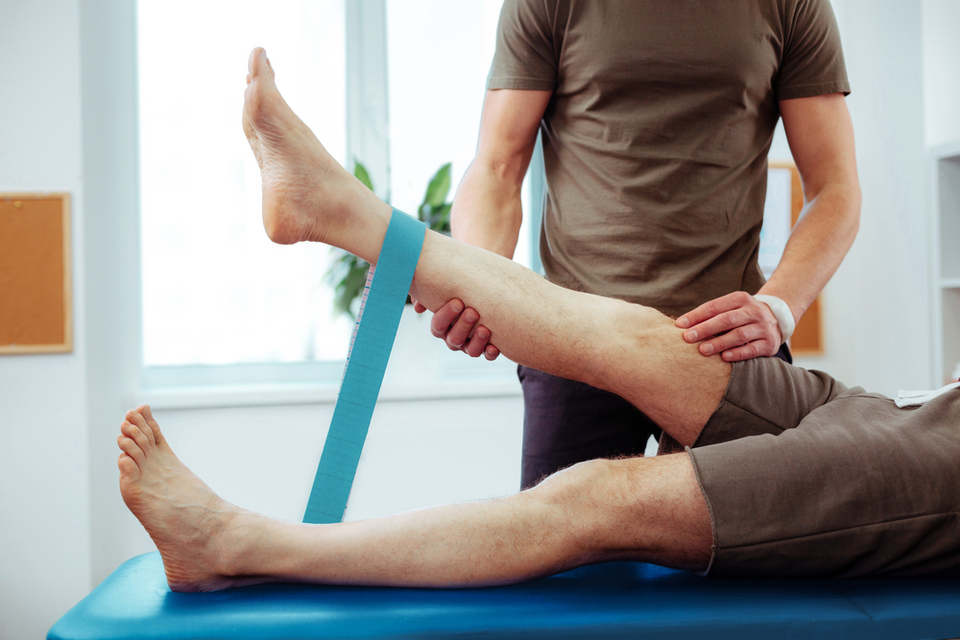
Physical therapy is an integral component of injury recovery and provides structured interventions that support restoration of movement and function following trauma or surgery. It is prescribed for a wide array of injuries that result from accidents, sports, or workplace incidents. Through this rehabilitative approach, medical professionals assess movement limitations, develop targeted treatment plans, and apply evidence-based techniques that promote functional recovery.
What Is Physical Therapy?
Physical therapy is a field of rehabilitative care managed by medical experts who identify and address problems affecting mobility. The primary goal is to restore individuals to their previous level of function following an injury or medical procedure that impairs their ability to move freely. Therapists may begin by conducting a systematic evaluation of the patient’s strength, flexibility, balance, and posture. This clinical assessment can form the basis of the treatment plan. Interventions are grounded in scientific research, prioritizing methods such as therapeutic exercise and patient education.
What Does It Address?
Physical therapy addresses a spectrum of injuries and movement dysfunctions, ranging from acute trauma to chronic conditions. Fractures, muscle strains, ligament sprains, and tendon injuries may require focused rehabilitation. Treatment aids in restoring joint mobility, muscle strength, and functional use of the affected area. Post-surgical therapy is frequently prescribed after joint replacements or ligament repairs to aid in regaining a functional range of motion.
Athletic injuries, both acute and from overuse, are managed with sport-specific rehabilitation programs. These plans may include drills and progressive loading to match the demands of the athlete’s role, which aims for a safe return to play and reduced risk of re-injury. Physical therapy can also be supportive in managing general mobility concerns in aging populations or patients with arthritis. The approach is tailored to the specific goals and challenges faced by the patient.
What Does It Involve?
Physical therapy programs are individualized, and often begin with a comprehensive assessment to establish the starting point for care. After identifying impairments, the therapist develops a plan structured around achievable, measurable goals. Components of a program can include:
- Therapeutic Exercise: Treatment often involves exercises that focus on strength, endurance, flexibility, and balance. Targeted stretching and strength training are common modalities used to support recovery.
- Manual Therapy: Hands-on techniques such as soft tissue massage and stretching may be employed to improve range of motion and decrease pain or swelling in the affected area.
- Adjunct Treatments: Therapists can use heat or cold therapy to help manage discomfort and promote optimal tissue healing.
- Supportive Education: Therapists instruct on correct body mechanics and safe movement patterns to help prevent future injury and support continued progress outside the clinic.
Documentation of progress may be maintained throughout the treatment cycle, allowing therapists to adjust the plan as the patient recovers and meets milestones.
Seek Professional Therapeutic Services
Recovering mobility and function after injury or surgery often requires structured support from qualified health professionals. Working with a physical therapist makes sure that care is tailored to your specific medical history and is personalized to your current limitations. With expert assessment, individualized treatment planning, and ongoing support, patients gain the resources and knowledge needed to navigate the rehabilitation process effectively.
