

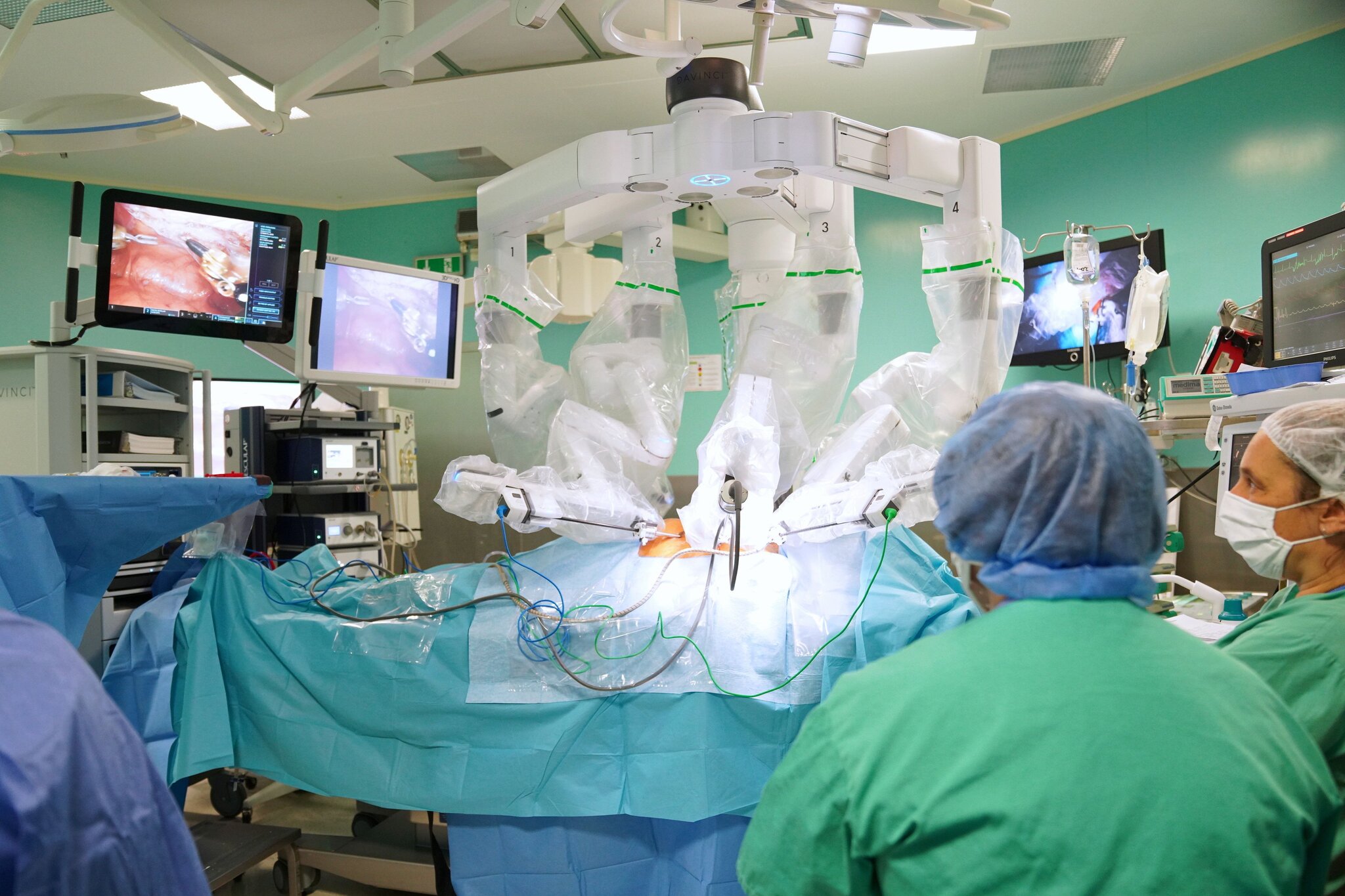
Medical technology continues to advance, providing surgeons with modern tools to perform delicate operations. Robotic surgery brings new levels of control to colon and intestinal care, as this approach offers precise movements during complex procedures involving the digestive tract. Patients facing surgery for their gastrointestinal health need accurate information to make educated decisions regarding their treatment plans.
What Is Robotic Surgery?
Robotic surgery represents a sophisticated method that performs minimally invasive procedures. Surgeons operate through small incisions using specialized instruments attached to robotic arms. The surgeon sits at a computer console located in the same operating room as the patient. From this station, the physician controls every movement the robotic arms make. The system translates the surgeon’s hand movements in real-time into precise, micro-movements of the instruments inside the patient’s body.
A high-definition, three-dimensional camera provides a magnified view of the surgical site. This visualization gives surgeons enhanced depth perception and clarity when working around delicate tissues. The robotic instruments possess a greater range of motion than the human hand, allowing for extreme dexterity in tight spaces. The robot cannot act independently; it requires direct input from a trained physician at all times. The technology functions strictly as an extension of the surgeon’s skills, combining human expertise with mechanical precision.
What Is Colon and Intestinal Surgery?
Colon and intestinal surgery involves operations on the lower section of the digestive tract, which includes the large intestine, small intestine, and rectum. Physicians perform these procedures to treat various conditions, such as inflammatory bowel disease, diverticulitis, polyps, or internal blockages. The specific operation often requires removing a diseased portion of the intestine. The healthy sections are then reconnected to restore proper bowel function.
Operating on the digestive system requires significant precision because the intestines reside close to other major organs, blood vessels, and nerves. Traditional open surgery typically may involve a long incision down the abdomen, giving the surgeon direct physical access to the digestive tract. Laparoscopic surgery uses smaller incisions and a rigid camera. Applying robotic technology to these lower gastrointestinal procedures allows the surgeon to navigate the complex anatomy of the pelvis and abdomen with exact movements. The specialized tools can help the medical team dissect tissue and place sutures securely within the confined spaces of the intestinal tract.
What Should You Expect?
Patients scheduled for a robotic-assisted intestinal procedure go through a standard preparatory phase. Medical staff will provide specific guidelines before the scheduled date. On the day of the operation, general anesthesia is typically administered so the patient remains completely asleep and feels no pain during the procedure.
Following the operation, patients wake up in a designated area where nurses continuously monitor their recovery. The use of small incisions often leads to specific recovery outcomes, such as reduced blood loss and a lower risk of wound complications. Many individuals experience shorter hospital stays compared to traditional open surgeries. The medical team can gradually reintroduce fluids and solid foods as the digestive system resumes normal function. Full recovery timelines vary based on the specific condition treated and depend on the individual’s overall health status.
Speak Further With a Surgeon
Advancements in medical engineering continue to introduce new applications for robotic platforms across various surgical specialties. Discussing these options with a qualified medical professional provides clarity on your specific path forward. A surgeon can evaluate your symptoms and outline the available treatment pathways. They will explain the risks and benefits associated with robotic-assisted procedures, compared to traditional methods, based on your distinct anatomy. Scheduling a consultation allows you to ask specific questions about your diagnosis and the expected rehabilitation process.
